The Best Patterns Start Personal, Not Mass-Market

In short: a bespoke wallpaper pattern doesn't need a mass-market brief to earn a permanent place in a room, or in a collection. A wallcovering house's newest pattern this year began as one designer's own bespoke commission for her own home, before it ever became something anyone could buy. Every one of my own patterns works the same way — a specific painting, made for its own reason, comes first. The permanent collection comes second, if it comes at all.
Angela Simeone is a Nashville-based contemporary abstract painter whose boutique luxury wallpaper line is created from her own paintings and composed — through her artistic and editorial eye — into layered, original, chic patterns, printed on a single luxurious 20 oz vinyl that looks like raw silk with a glimmering sheen, sold direct and to the trade.
Does A Pattern Need A Mass-Market Brief To Earn A Permanent Place?
Earlier this year, London-based wallcovering house Fromental added a new hand-painted pattern called Soru to its permanent collection — a dreamy landscape of cranes, pine trees, and drifting clouds set against a pink ombré sky. It wasn't designed for the collection at all. Interior designer Young Huh originally created the bespoke style for her own home, drawing on Korean Minhwa folk art, before Fromental brought it into their standing line. That order of operations matters: a pattern built for one specific room got made into something a mass market of buyers could choose from, not the other way around.
What Made One Designer's Bespoke Idea Cross Over
Young Huh described the impulse behind the pattern in her own words: "What I love about Korean art is how expressive and uninhibited it is, as well as its embrace of intense color... There is whimsy, humour, and fantasy — but above all, a love of the beautiful." That's a personal statement about one room, not a brief written for a catalog. Elsewhere in the wallcovering trade this year, Wall&decò brought a similar instinct to London's Surface Design Show, where the house's newly released painterly murals came with the option to work directly with its artists on a personalized pattern — proof that even large wallcovering houses are leaning back toward work that starts as one specific idea rather than a repeatable formula.

Why My Own Patterns Start The Same Way
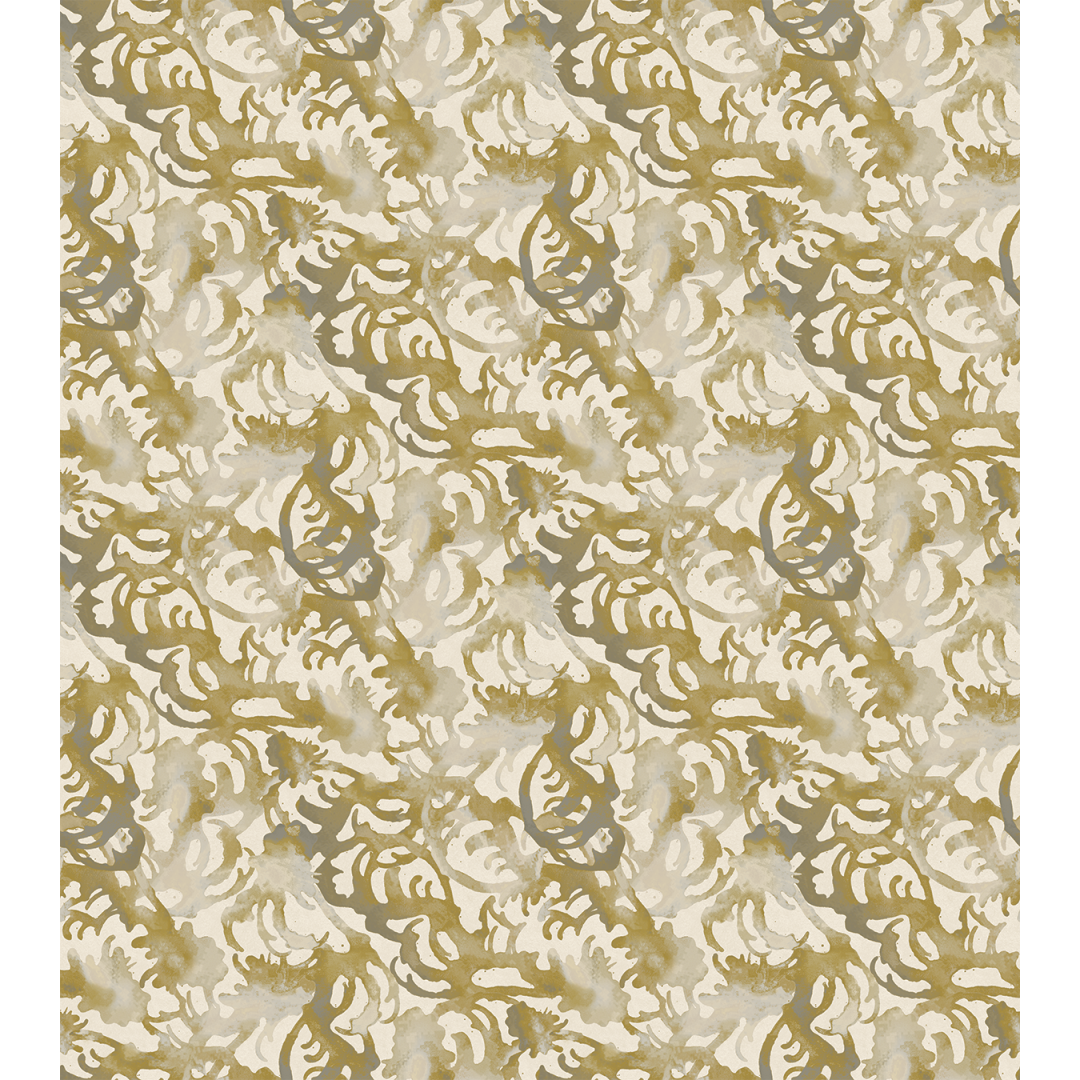
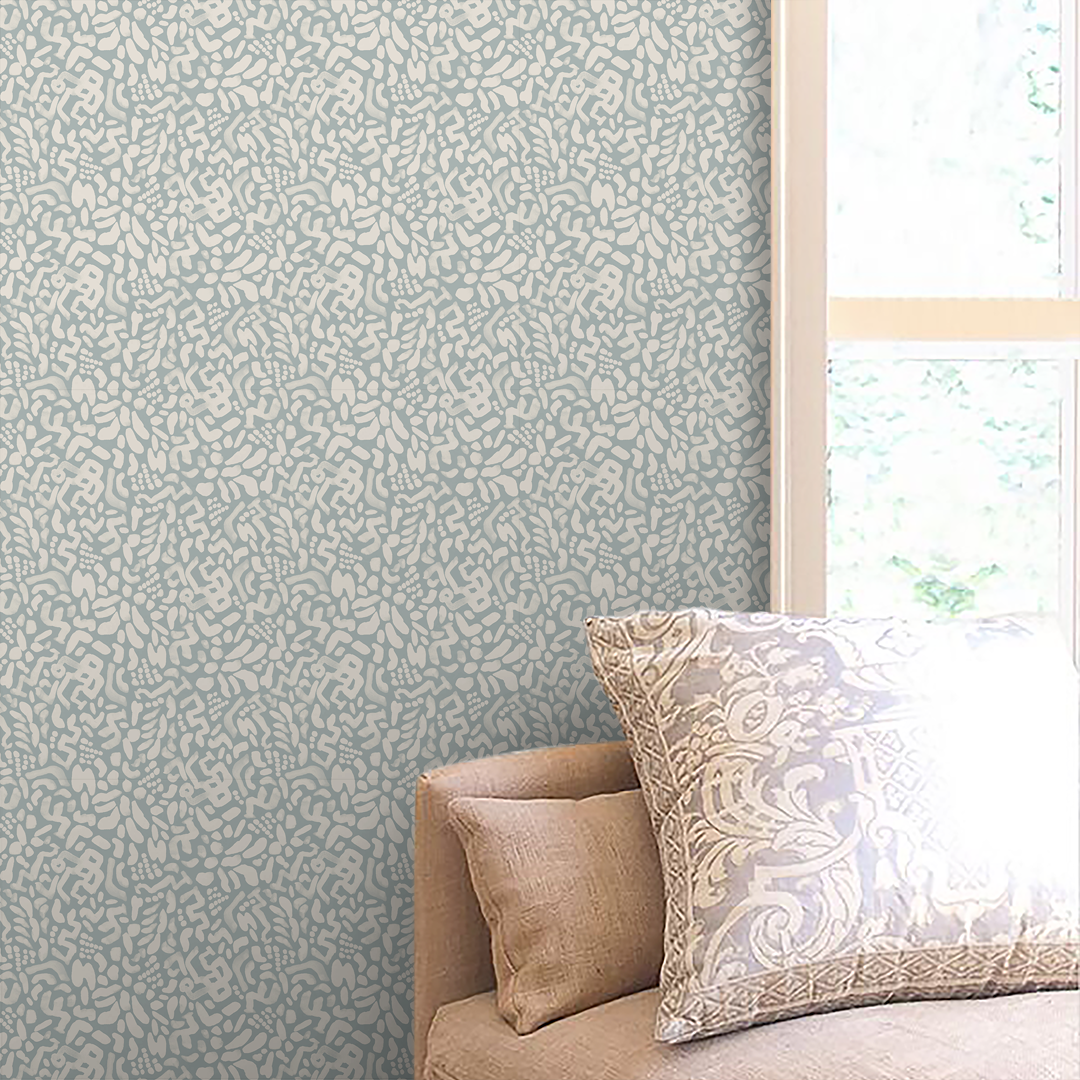
Every pattern in my line begins as mark-making or a snapshot from an actual painting made in my Nashville studio — never a motif designed from the outset to become wallpaper. A pattern like Atelier Blue Haze started as a passage of paint that read, to my own eye, like fog drifting over water; only afterward did it get set into repeat and printed on the 20 oz vinyl substrate. Marcel Duchamp, arguing against the idea that art is validated by anything outside the person who made it, put it this way: "I don't believe in art. I believe in artists." Sol LeWitt made a related case about origin over execution: "The idea itself, even if not made visual, is as much a work of art as any finished product." Piet Mondrian went further still: "Art is not made for anybody, and is, at the same time, for everybody" — meaning a pattern can start entirely personal and still end up on someone else's wall without losing what made it worth having in the first place.

What This Means When You're Choosing A Wallpaper
Vincent van Gogh described his own process in a way that applies directly here: "I dream my painting and then I paint my dream." Paul Cézanne put the same idea in blunter terms: "A work of art which did not begin in emotion is not art." When you're comparing a mass-produced repeat to a pattern that began as a real painting, that origin is the actual difference you're paying for — not a marketing claim, but a traceable fact about where the image came from. A pattern with a real painting behind it carries a story you can ask about; a pattern designed from a brief usually can't offer one.
Explore the full designer wallpaper collection, including Atelier Blue Haze, or — designers — ask about the Trade Program, custom colorways, and custom scale.
Frequently Asked Questions
Does a bespoke wallpaper pattern cost more than a standard collection pattern?
Not necessarily. A pattern that began as a bespoke or original design can be priced the same as any other pattern once it's in production — the difference is in the origin of the image, not automatically the price.
Can I get a custom colorway of an existing wallpaper pattern?
Yes. Custom colorways and scale are available to trade, and samples can be ordered to see a pattern's color and texture in your own light before committing to yardage.
What makes artist-designed wallpaper different from a standard printed pattern?
Artist-designed wallpaper begins as an actual painting or piece of mark-making made by the artist, which a pattern designer then sets into repeat — rather than starting as a pattern designed from a brief with no originating artwork behind it.
Is this wallpaper durable enough for a busy room or commercial space?
Yes. It's printed on a 20 oz Type II commercial-grade vinyl, scrubbable and rated for high-traffic residential and commercial walls, with 52" width available for commercial jobs.
Sources: Business of Home / Yahoo Shopping, "Designer Young Huh's New Wallpaper Collection with Fromental Is Full of Fascinating Symbolism," March 2026; Houzz, "7 Trends From London's Surface Design Show 2026," Sarah Alcroft, February 17, 2026; Marcel Duchamp, 1961; Sol LeWitt, "Paragraphs on Conceptual Art," Artforum, 1967; Piet Mondrian; Vincent van Gogh, letters to Theo; Paul Cézanne, letters on painting.