Real Texture Is What Makes Wallpaper Feel Grounded

In short: This season's leading wallpaper designers are converging on the same point: a pattern needs real, felt texture — not just a good print — to read as grounded and considered rather than decorative and flat. Calico Wallpaper's own creative director is naming it "atmosphere and emotion," de Gournay's design director is naming it "tactile texture," and my own patterns are built the way that requirement actually gets met — one real painted surface, digitized once, and printed on a 20 oz vinyl with a raw-silk sheen, not designed from a brief.
Angela Simeone is a Nashville-based contemporary abstract painter whose boutique luxury wallpaper line is created from her own paintings and composed — through her artistic and editorial eye — into layered, original, chic patterns, printed on a single luxurious 20 oz vinyl that looks like raw silk with a glimmering sheen, sold direct and to the trade.
Why are designers talking about wallpaper as "atmosphere" instead of just pattern this year?
Rachel Cope, creative director and co-founder of Calico Wallpaper, put the shift plainly in her 2026 trend commentary: wallpaper is moving "beyond decoration and into the realm of atmosphere and emotion," driven by "a growing desire for surfaces that feel grounded, tactile, and deeply personal." That's not a stylistic preference — it's a claim about what a wall covering is actually supposed to do in a room: shape how it feels, not just how it photographs.
Jemma Cave, design director at de Gournay, confirmed the same direction from the other end of the price spectrum: "There's a strong preference for a distinctly hand-painted quality and tactile texture." When the house behind hand-painted panel murals in the thousands and a working painter's digitally-printed vinyl are naming the identical requirement, it's worth taking seriously.

Does a flat print actually feel different from a pattern with real depth underneath it?
Todd Nickey of Nickey Kehoe makes the case for texture in purely practical terms: grasscloths and similarly textured materials "add depth and warmth to a room without demanding attention" — texture doing quiet work a flat print can't. Lonni Paul, founder and principal designer of Lonni Paul Design, extends the same logic to trompe l'oeil and faux-texture patterns: they "address how things feel, not just how things look, which is increasingly important in interiors." Both are describing the same gap a flat, brief-designed print leaves open — it can look right without ever feeling considered.
Is "wallpaper with depth" a new idea, or does it go back further than this season's trend pieces?
It goes back to the people who built wallpaper's reputation in the first place. William Morris, the 19th-century designer whose firm effectively defined what a serious decorative pattern could be, put the underlying standard in one sentence in an 1880 lecture: "Have nothing in your houses that you do not know to be useful, or believe to be beautiful." That's a real, felt-object standard — not a print run. Henri Matisse, writing about decorative painting on interior walls in 1951, described the actual physical effect a considered surface has on a room: "The role of painting, I think, the role of all decorative painting, is to enlarge surfaces, to work so that one no longer feels the dimensions of the wall." A pattern with genuine depth does exactly that — it changes how the room reads, not just how the wall looks.
(Note: this bank carries 2 verified, on-topic historical quotes rather than the standard 5 — see the sourcing note below.)

How does a pattern actually get that kind of depth, instead of just looking like it has some?
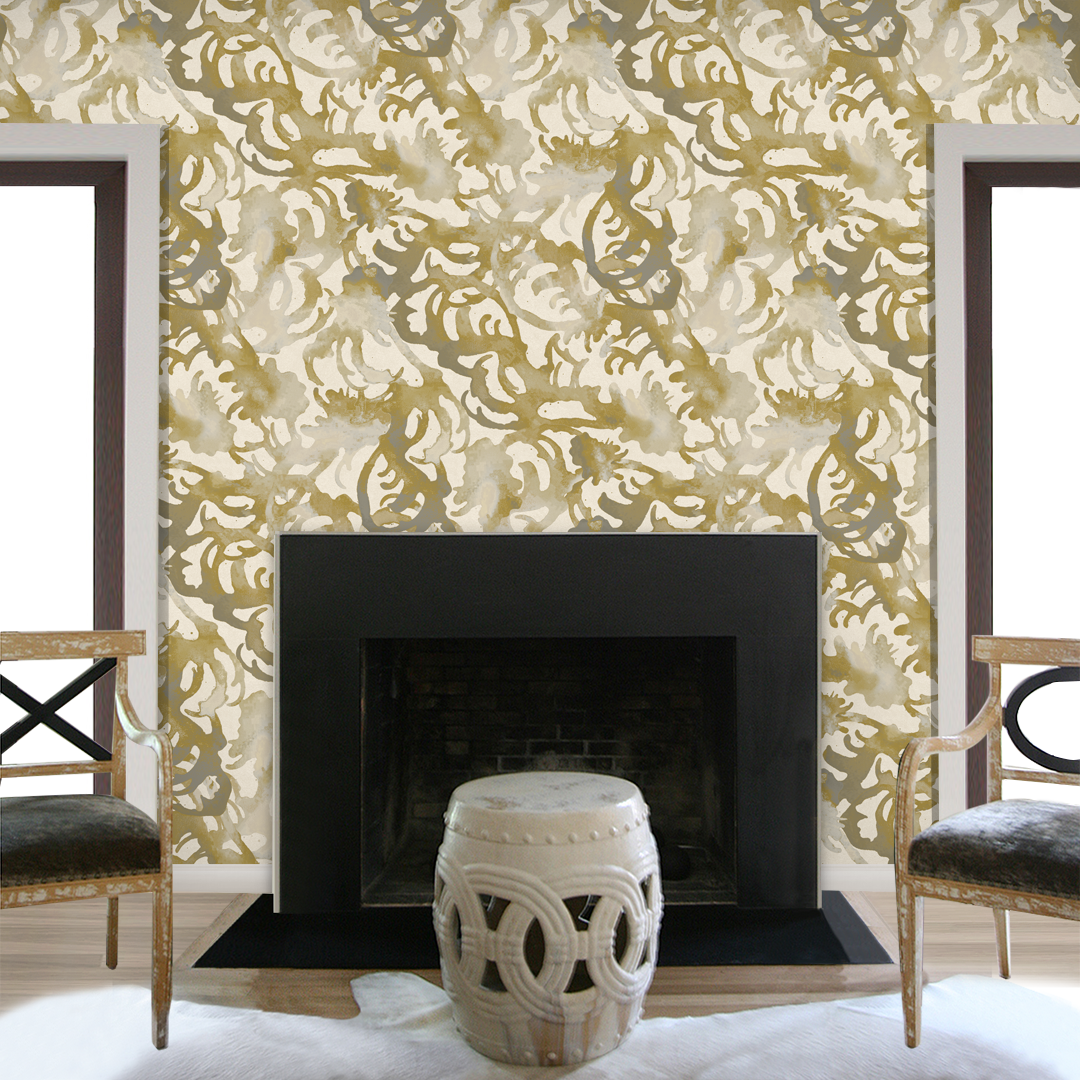
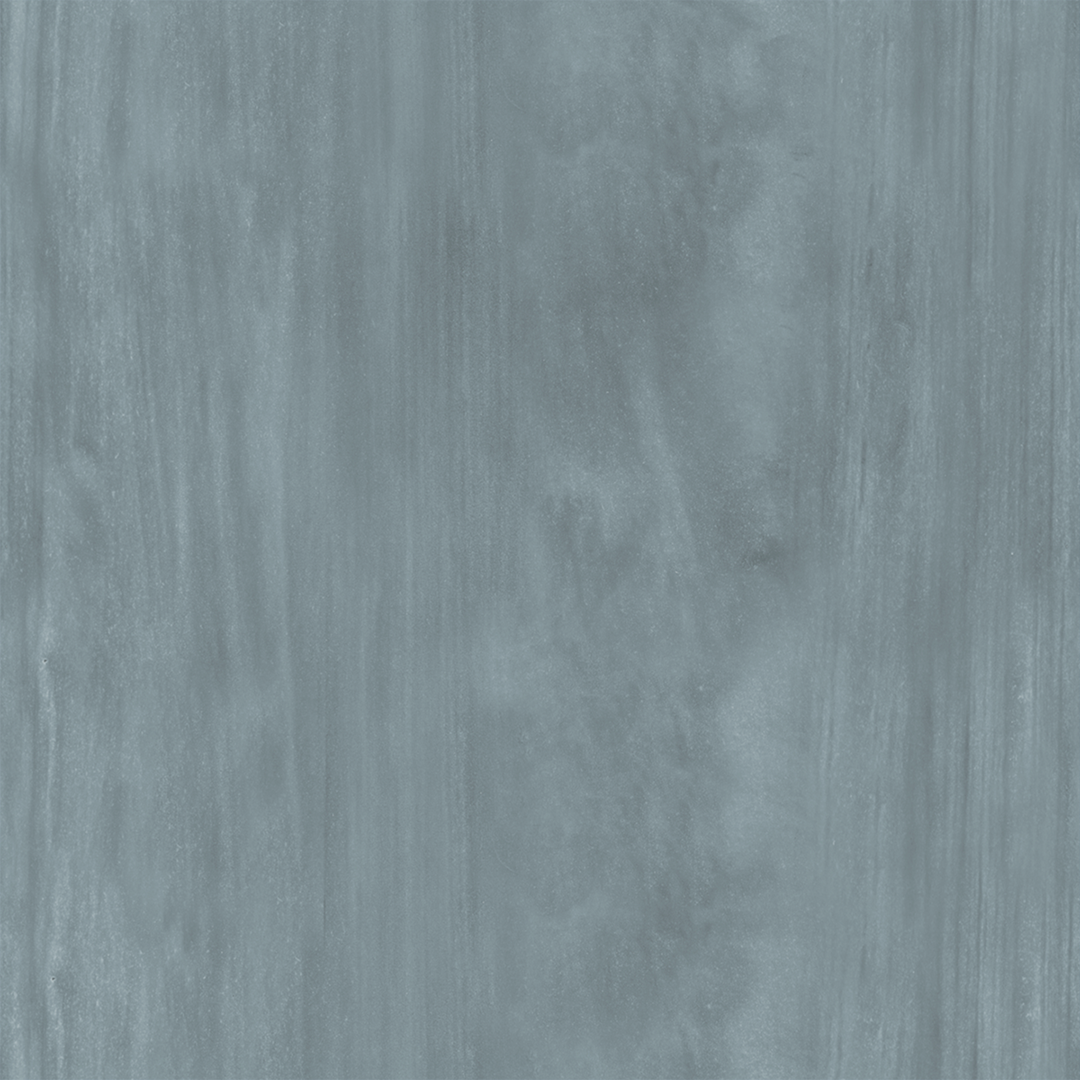
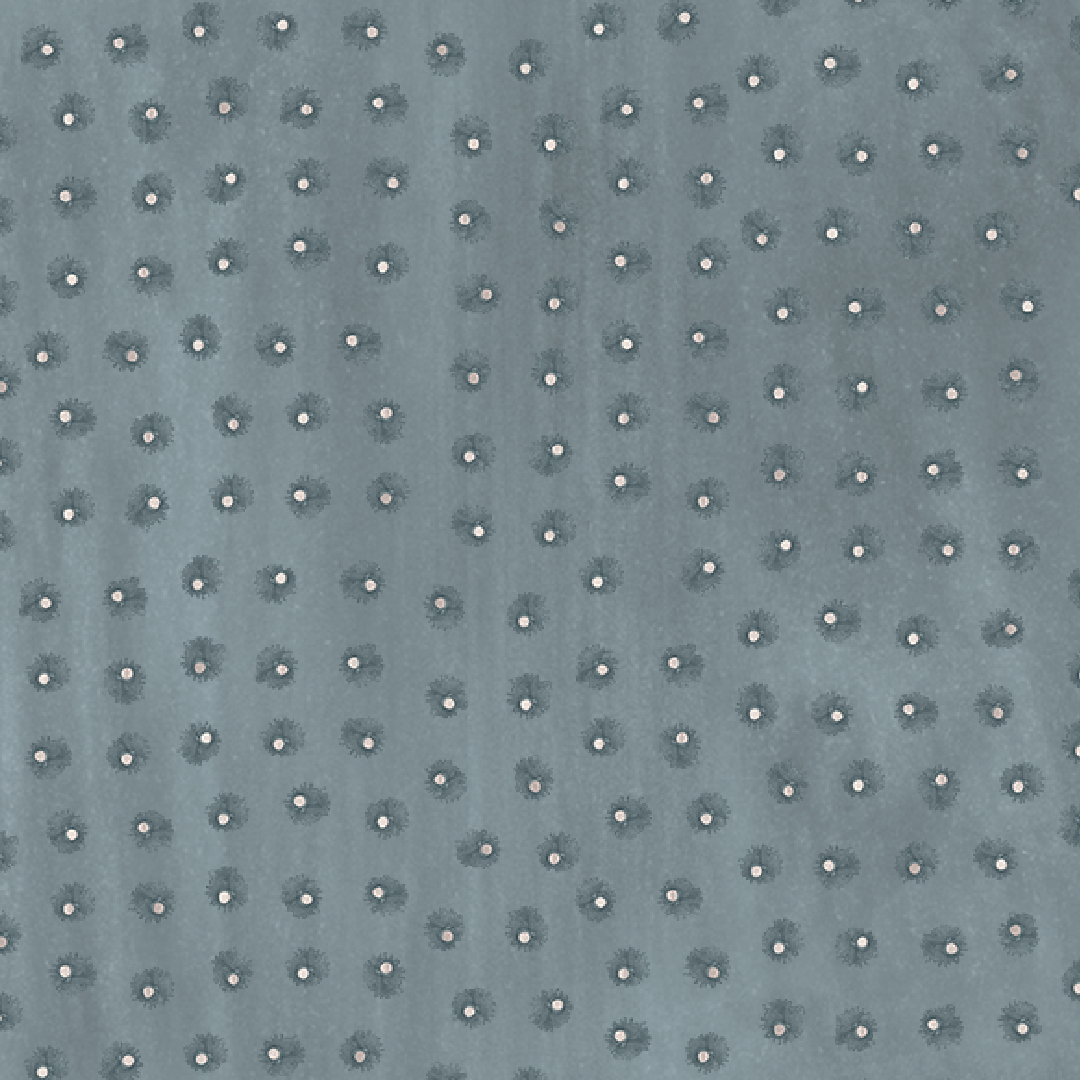
It has to start as a real painted surface. Every pattern in my line begins as an actual oil painting — brushwork, layering, the same reworked passages I'd leave in a painting sold as a painting — before it's digitized once and set into repeat. Lavish Blue Grey, Atelier Blue Haze Medium, and Toile Medium Sky Blue all carry that same visible hand underneath the pattern, which is what reads as depth up close and atmosphere from across the room. It's the difference between a pattern that references painting and one that actually started as one.
Where can I see or order the current collection?
The full, active line — including Flourish, Lavish, Freesia, Toile, Atelier, and Chic Stripe — is in the wallpaper collection, with samples available before you commit to yardage. Trade clients get 20% trade pricing, forwardable tear sheets, and white-glove logistics on top of the standard ordering process.
FAQ
Why does textured wallpaper feel different from a flat print?
Named designers this season point to a real, physical difference: texture and visible hand-painted quality read as "grounded" and "tactile" rather than purely decorative, changing how a room feels, not just how it looks.
Is Angela Simeone's wallpaper hand-painted?
The source pattern is — each design begins as an actual oil painting. The wallpaper itself is digitally printed on a 20 oz vinyl; it is not hand-painted on the wall.
What's the difference between Angela Simeone's wallpaper and a hand-painted mural?
A hand-painted mural (like de Gournay's) is painted directly by hand, panel by panel, and priced accordingly. Angela's patterns begin as a single hand-painted original, then print in repeat at a lower, by-the-yard price point.
Does the wallpaper line offer trade pricing?
Yes — 20% trade pricing, samples, and white-glove logistics are available to interior designers and architects.
Sourcing note: the artist/philosopher bank for this post carries 2 verified, genuinely topical historical quotes (William Morris, Henri Matisse) rather than the standard 5 — additional historical figures writing specifically about textured or dimensional wall pattern, as opposed to painting or decoration generally, could not be verified to a real primary source in this run and were left out rather than padded.
Ready to bring real texture into a room? Shop the current wallpaper collection.
Sources: Rachel Cope, Calico Wallpaper, quoted in 2026 wallpaper trend coverage; Jemma Cave, de Gournay; Todd Nickey, Nickey Kehoe; Lonni Paul, Lonni Paul Design — all via aol.com wallpaper-trends-2026 coverage; William Morris, 1880 lecture, "The Beauty of Life"; Henri Matisse, 1951 statement on decorative painting, quoted via hyperallergic.com.