
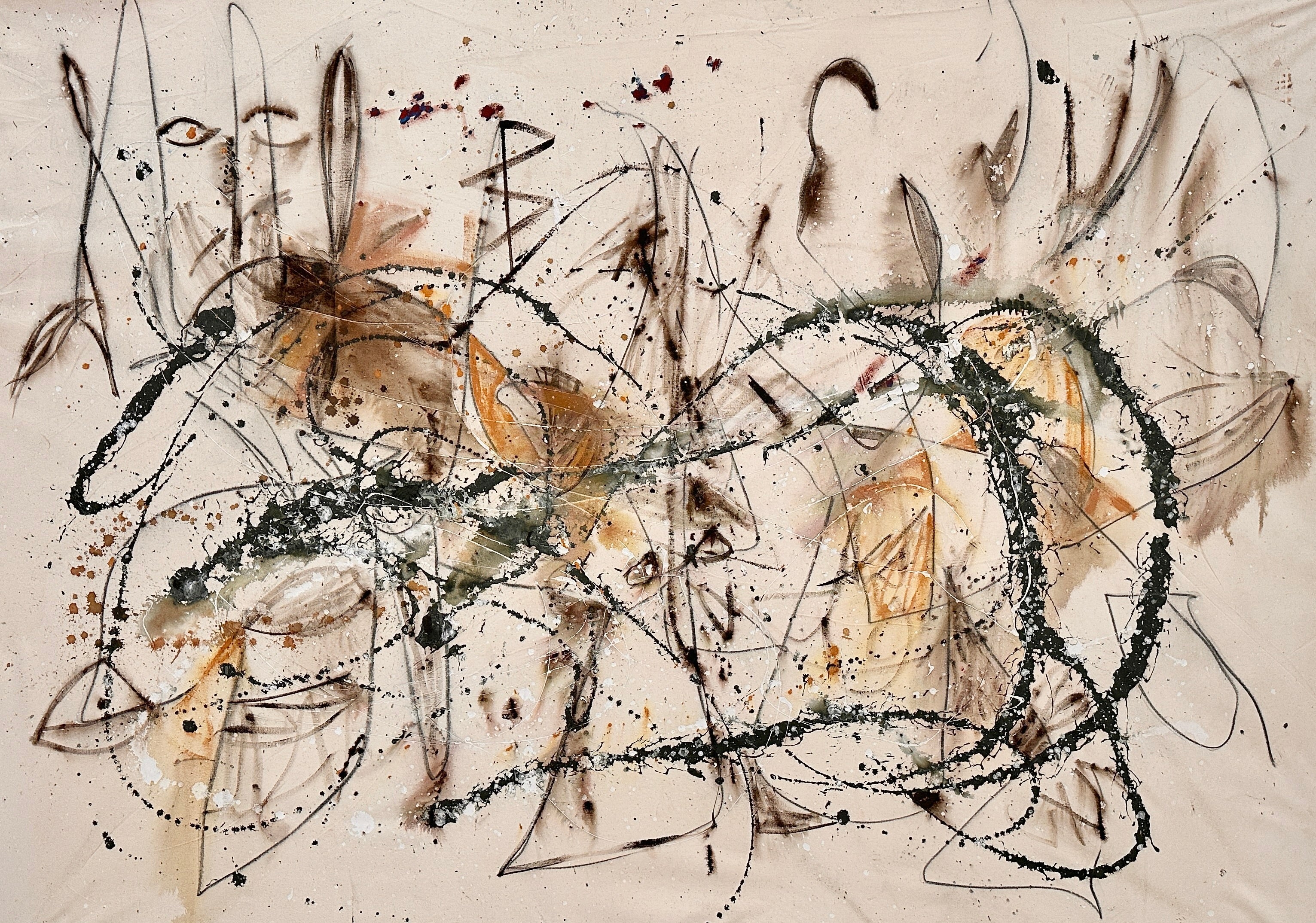
How to Verify a Painting Is Authentic and Document Its Provenance
TL;DR: To verify a painting is authentic and document its provenance, you want five things in hand: a signed work (front or verso), a certificate of authenticity, a dated invoice naming the piece and buyer, a condition report, and an unbroken chain of custody from studio to wall. For a living artist, the cleanest source of all of this is the artist's own studio. Here is exactly what to ask for, and what my studio supplies on every piece, so a designer can hand a client airtight paperwork.
Angela Simeone is a Nashville-based contemporary abstract painter whose boutique luxury wallpaper line is created from her own paintings and composed — through her artistic and editorial eye — into layered, original, chic patterns, printed on a single luxurious 20 oz vinyl that looks like raw silk with a glimmering sheen, sold direct and to the trade.
How do you verify a painting is authentic?
For a living artist, authenticity is verified at the source: the artist confirms the work is theirs, signs it, and issues documentation that ties the signature to a specific piece. The signal you are looking for is a chain you can follow — a signed canvas, a certificate that matches it, and a studio that can speak to the work's making. For secondary-market or historical work, verification is a deeper exercise in provenance research, expert authentication, and catalogue records. When you buy directly from the studio, you collapse that whole process into one verifiable origin.
You can see fully documented, signed originals — each one-of-one — in the paintings available now collection.
"When evaluating a work, I always look for a balanced synergy between three pillars: the artist's conceptual approach, the technical mastery they've developed, and, of course, the aesthetic result." — Amélie du Chalard, gallerist and collector (Cultured, April 2026)
What is provenance, and why does it matter?
Provenance is the documented history of a work's ownership — its journey from the artist's studio to your client's wall. It matters because it protects both authenticity and value: a clear record confirms the piece is what it claims to be, and gaps in that record are exactly what create doubt later. For a new original by a living artist, provenance starts clean and stays clean if the first transaction is documented properly. The art-market editors at Artnet have written clearly on how provenance underpins authenticity and value.
"The most important rule is to never compromise on quality. In the long run, great works retain their value, while lesser works rarely do." — Laurent Asscher, collector (Cultured, April 2026)

What documents should come with an original painting?
Five, ideally. A signed work — my pieces are signed and documented. A certificate of authenticity (COA) that names the title, dimensions, medium, year, and artist. A dated invoice identifying the piece and the buyer — the first link in the ownership chain. A condition report noting the surface and any framing details at the time of sale. And visual records: my studio sends multiple pre-ship videos of every finished work, in real light, so the condition is documented before the piece ever ships. Together these turn a beautiful object into a documented asset a designer can confidently place.
"Train your eye, educate yourself, and think outside of the box. Learn to trust your instincts." — Allison Sarofim, collector (Cultured, April 2026)
How does buying direct keep the chain of custody clean?
Because there are fewer hands. When a work goes from my studio, signed and documented, straight to a framer local to your client, stretched on arrival and hand-delivered, the chain of custody is short and legible: artist → studio documentation → client. No intermediary, no untracked gap, no question about where the piece has been. For a designer, that is the difference between handing a client a painting and handing a client a painting with a paper trail. Trade terms and logistics are on the trade program page, and large commissioned or commercial pieces run through the commercial and hospitality process.
"A big part of being able to do this well is simply being present. For me, it's primarily about contacts and building up great relationships with collectors and dealers." — Geoff Snack, dealer and collector (Cultured, April 2026)

What should a designer ask for before placing a piece with a client?
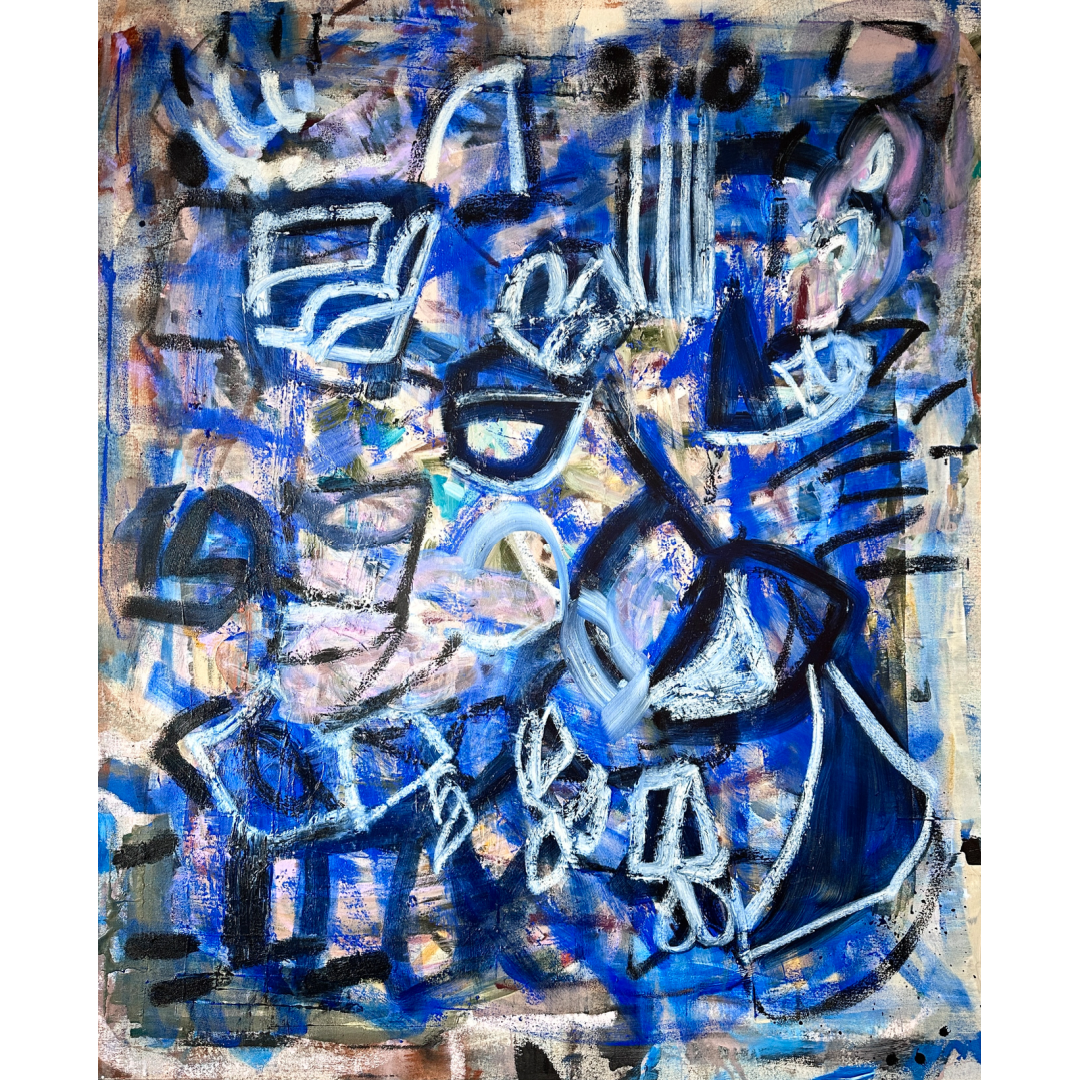
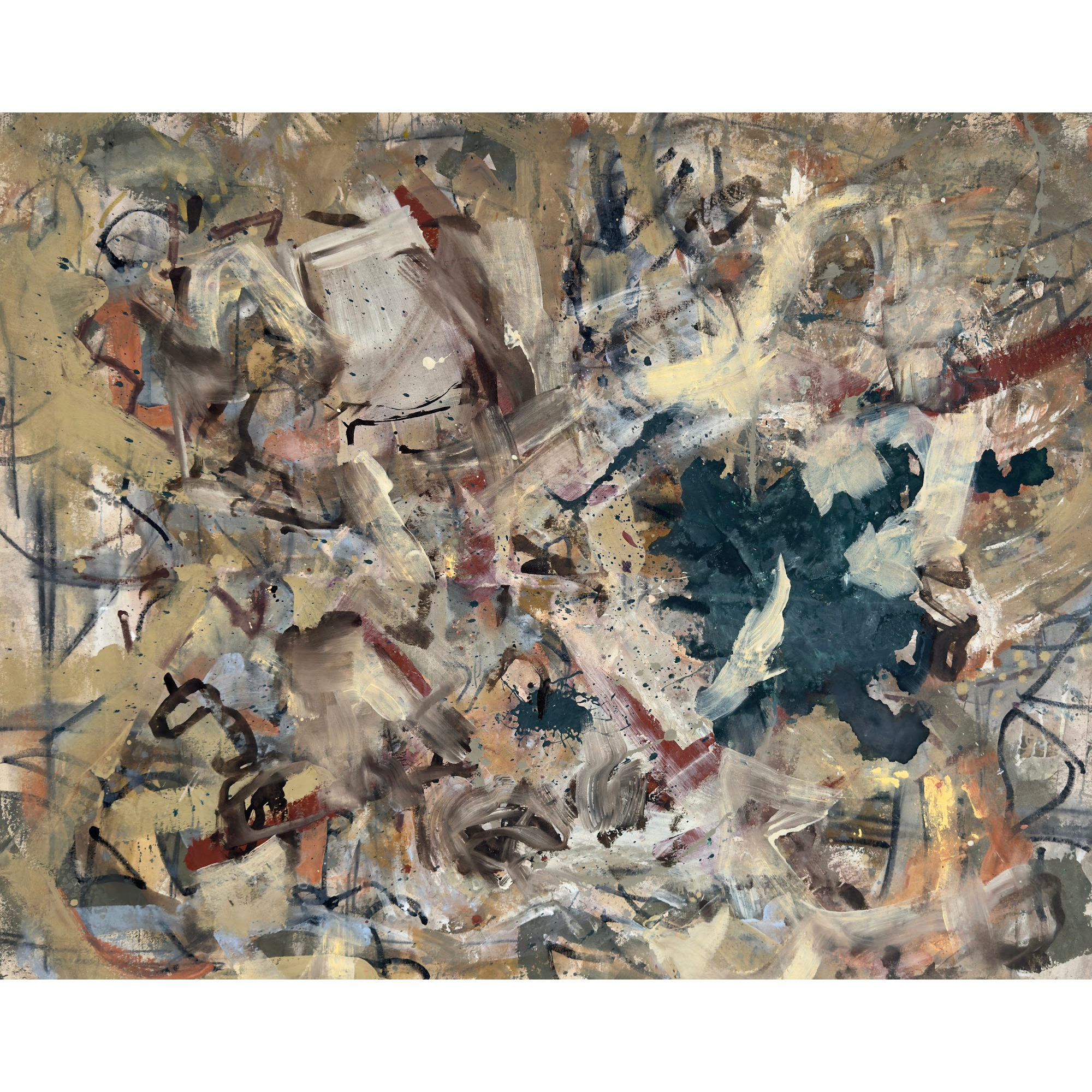
Ask the studio for the COA, the invoice, a condition note, and pre-ship documentation in writing — and confirm the work is an original, not a reproduction. With a living artist who sells direct, all of that should come without friction. A commissioned piece is documented the same way, from the first conversation through delivery; the commission process lays out the steps. The goal is simple: make the designer look airtight to the client, with a documented original like Deepest Green and Gold ($6,850) or Deep Burgundy Forest Green White ($5,850) backed by a clean paper trail.
"Train one's eye by seeing a lot of art. That is the only way to develop a point of view about what you like, as well as which art is excellent." — Pamela Joyner and Fred Giuffrida, collectors (Cultured, April 2026)
FAQ
What is a certificate of authenticity? A document from the artist or their studio confirming a specific work is genuine — naming the title, dimensions, medium, year, and artist. Every piece I sell is signed and issued with documentation.
Is an invoice part of provenance? Yes. A dated invoice naming the piece and the buyer is the first formal link in a work's ownership history and should be kept with the COA.
Do you provide a condition report and images? Yes — work ships with documentation, and the studio sends multiple pre-ship videos of every finished piece in real light before it leaves.
How do I know it's an original and not a reproduction? Buy from the artist or studio, confirm it in writing, and check that the COA describes a unique, signed work. My originals are one-of-one; only the wallpaper line repeats.
Sourcing for a client? Browse original paintings available now or review the trade program at angelasimeone.com.
Sources: Cultured, "15 Collectors Offer Their Best Advice For Getting Started" (April 3, 2026) — quotes from Amélie du Chalard, Laurent Asscher, Allison Sarofim, Geoff Snack, and Pamela Joyner & Fred Giuffrida; Artnet News, "The Importance of Provenance in Determining Authenticity." Studio documentation practices per the Angela Simeone studio.
,%20a%20certificate%20of%20authenticity,%20a%20dated%20invoice%20naming%20the%20piece%20a...)