How Long to Wait Before Asking About a Commission
In short
You should not have to decide. A well-run commission tells you when you will next hear something before the work starts, so the quiet stretches are scheduled rather than ambiguous. If you were not given that, a check-in at four to six weeks is entirely reasonable and no artist worth commissioning will read it as pressure. The silence is almost always the work, not a problem — but the fix is a timeline, not patience.
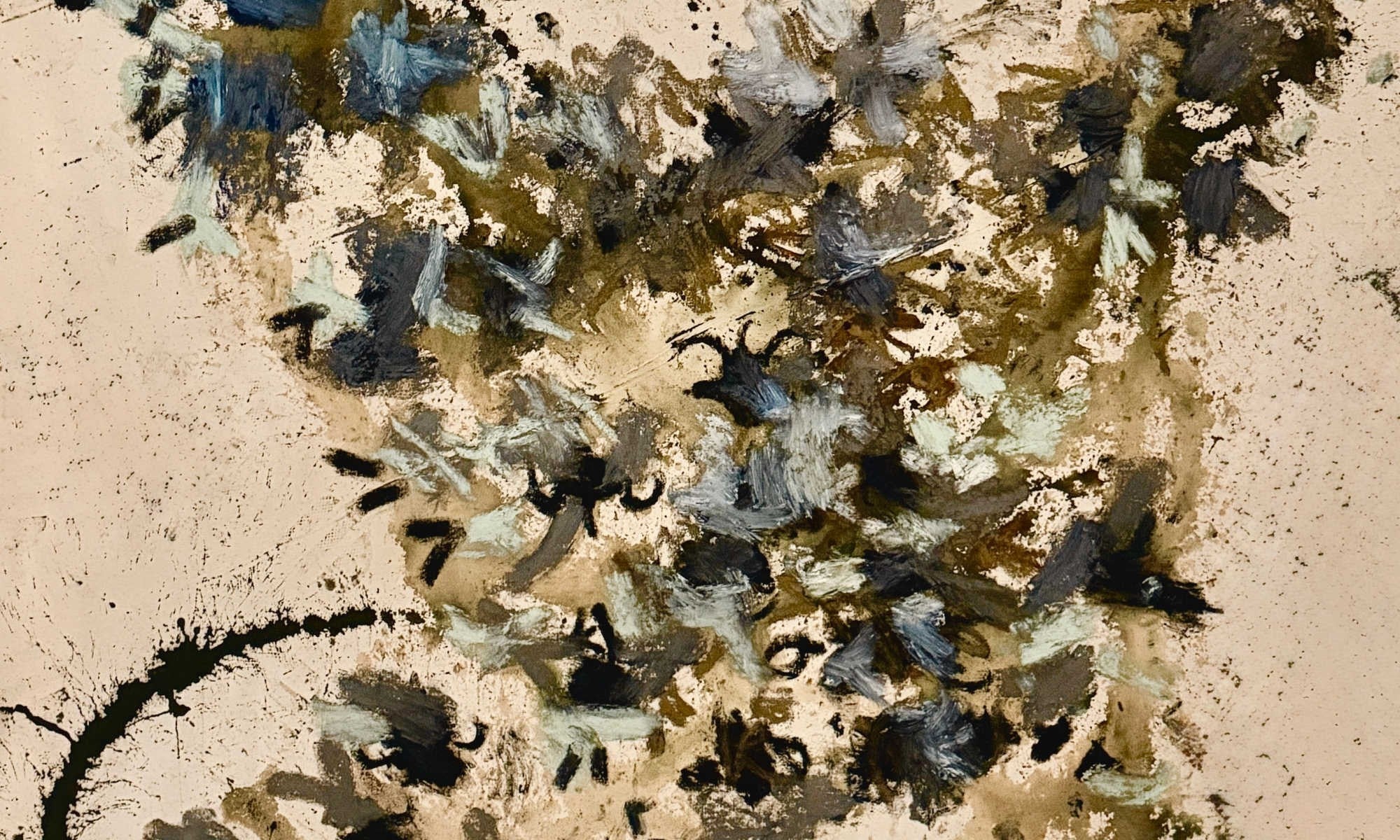
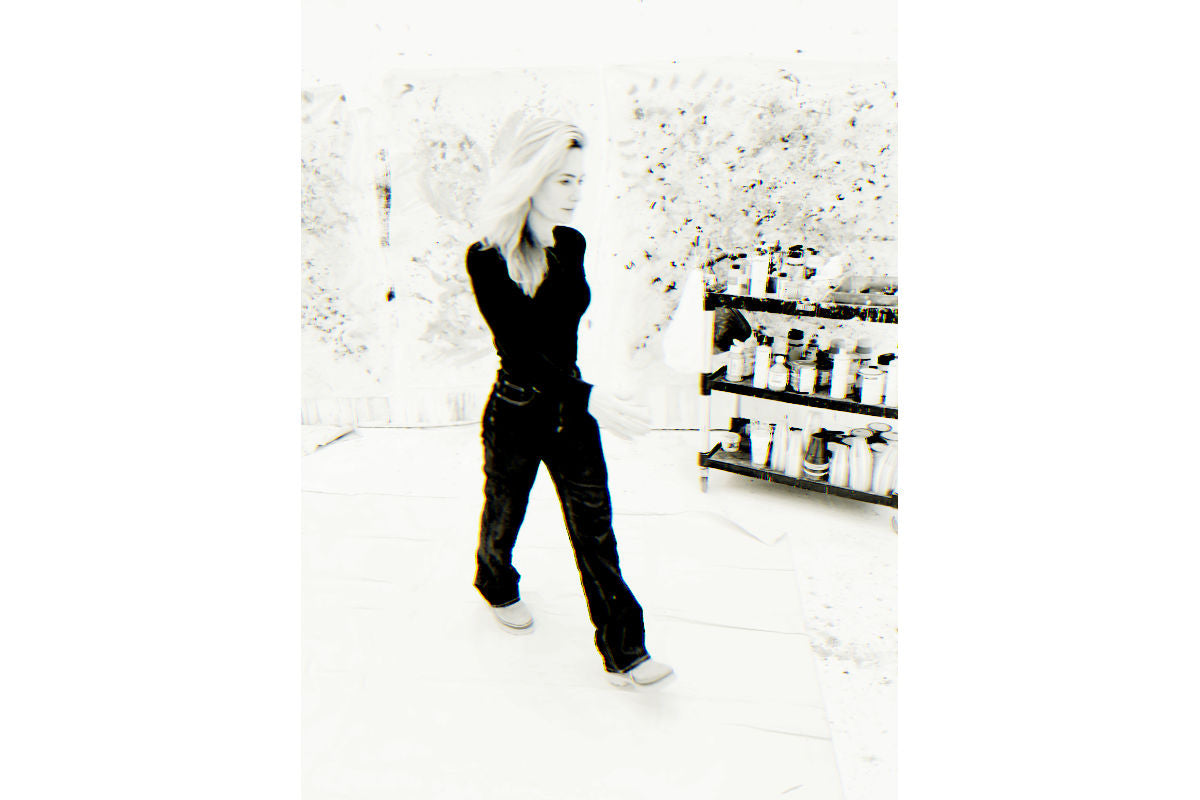
Angela Simeone is a contemporary abstract painter based in Nashville, Tennessee, working in oil and mixed media on canvas.
Why is it quiet in the middle of a commission?
Because the middle of a painting is not showable. A canvas passes through a stage where every decision is provisional and the surface genuinely looks worse than it did a week earlier — layers going down that will be worked back, a colour tried and rejected, an underdrawing being argued with. Sending a photograph of that stage answers no question you actually have. It usually creates three new ones.
The painter Charles Burchfield put the working principle plainly: an artist paints "not what he sees in nature, but what is there." Getting to what is there takes passes. Camille Corot told his students never to lose the first impression that moved them — which is a instruction about holding one idea steady across weeks of revision, and weeks of revision is what the quiet is.
There is also a structural reason, and it has nothing to do with your particular artist. In the conventional gallery model, you are rarely talking to the person painting. Robert Dimin, a partner at Denny Dimin Gallery, has described what a dealer does in these situations — asking a collector specific questions to work out what they are actually waiting for. Large work or small. A colour preference. Dealers, as he puts it, are ultimately matchmakers between collectors and artworks. That is real, useful work. It is also a layer, and layers are where updates go to sit.
What is a reasonable moment to ask?
Four to six weeks, unless you were told otherwise. Most commissions run somewhere between four weeks and several months depending on medium, scale and the artist's queue, and a month is long enough that a check-in reads as engagement rather than anxiety. Ask about the stage, not the finish date: "where is it in the process" is a question an artist can answer honestly on any given Tuesday. "Is it done yet" is not.
What you should not have to do is manage the relationship. Magda Sawon, who founded Postmasters in New York, has spoken about how much of the gallery world's apparent scarcity is atmosphere rather than fact — the story around a work is often louder than the mechanics behind it. Commission anxiety works the same way. Most of it is produced by a missing schedule, not by an artist who has forgotten you.
How does a commission avoid the silence in the first place?
By building the check-ins into the timeline before anyone starts.
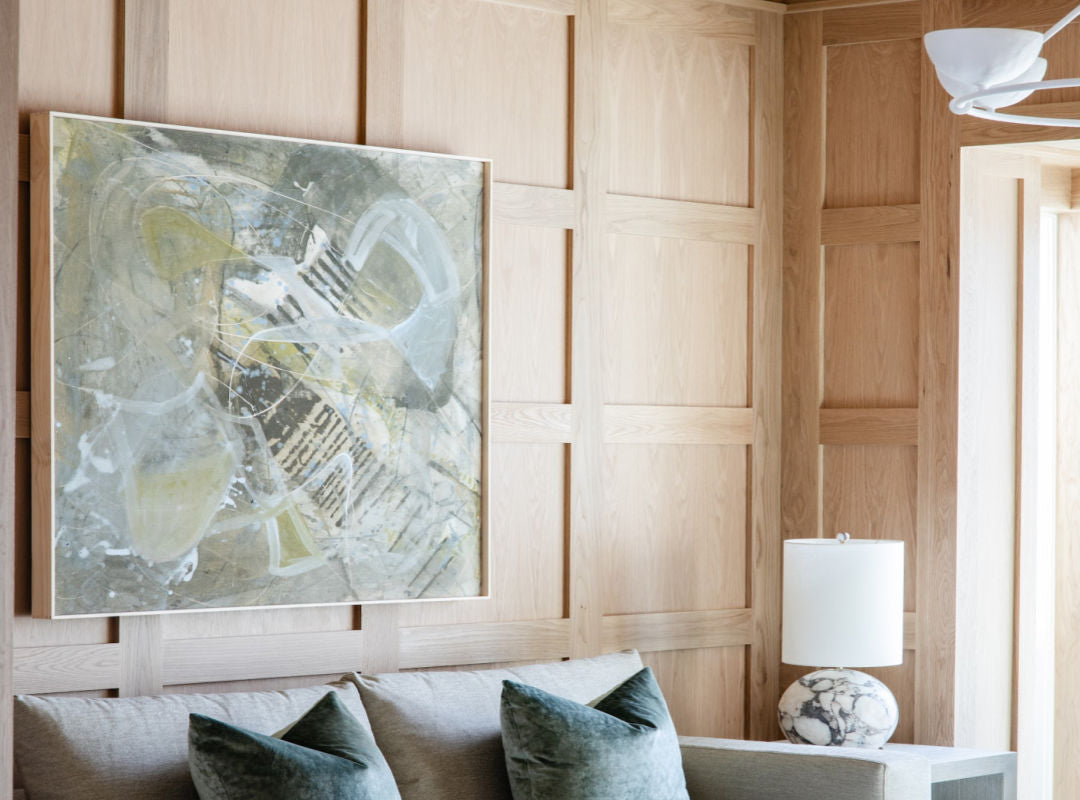
My own process does this by making the reveal structural rather than occasional. A commission here begins with a conversation about the room — where the light comes from, how it moves across the day, what the piece is being asked to do in that space. Then I paint two finished directions, not one, and you choose between two complete paintings rather than approving a sketch and hoping. Two structured revision rounds follow. Which means you already know, on the day you commission, roughly when you will see something and what you will be seeing. There is nothing to guess at, and no reason to wonder whether asking is rude.
That structure also removes the layer. When you commission directly from a working studio, the person with the answer is the person holding the brush. Nobody has to relay anything.
Does asking too early hurt anything?
No — but knowing what to ask for helps. The critic Roger Fry, who spent a career trying to give ordinary viewers language for what they were looking at, argued that the useful response to a picture is formal and specific rather than anecdotal. Applied to a commission in progress, that means asking about the concrete things: what has gone down so far, what the colour is doing, whether the scale still reads right for the wall.
The painter Nell Blaine worked for decades in a mode where a picture arrived through accumulation rather than announcement, and Loren MacIver described her aim as making something that had not existed before — neither of which is a process with a reliable countdown attached. That is the honest constraint. A commissioned painting is finished when it settles, and the artist knows before you do that it has.
What you are owed is not a delivery date pretending to be certain. It is a real one, plus a plan for what happens between now and then.
Where to go next
Frequently asked questions
How long should I wait before asking for an update on a commission?
Four to six weeks is reasonable if no schedule was set. Ask about the current stage rather than the completion date — that is a question the artist can answer honestly at any point.
Is it rude to ask an artist how a commission is going?
No. A commission is a professional agreement, and a clear question about progress is normal. If you are working with an artist directly, you are asking the person who has the answer.
How long does a commissioned painting usually take?
Most run between four weeks and several months, depending on scale, medium and the artist's existing queue. Ask for the range before you commit, along with when the first review point falls.
What should a commission timeline include?
A conversation about the room and its light, a scheduled first reveal, and defined revision rounds. In this studio that means two fully finished paintings to choose between and two structured revision rounds, so the review points are known from the start.
See the work
Every painting is an original, one of one, in oil and mixed media on canvas. View original paintings available now, or start a commission.