10 Quotes About Color Every Collector Should Know

In short: Color is the first thing a painting says before anyone reads a wall label, and the people who think hardest about it — painters, curators, and philosophers alike — keep landing on the same idea: color doesn't decorate a room or a canvas, it changes what a person feels standing in front of it. Here are ten verified quotes about color, five from artists and thinkers across the last two centuries and five from people working with color in painting and curating right now, each tied to what it actually means to live with a colorful original.
Angela Simeone is a Nashville-based contemporary abstract painter whose boutique luxury wallpaper line is created from her own paintings and composed — through her artistic and editorial eye — into layered, original, chic patterns, printed on a single luxurious 20 oz vinyl that looks like raw silk with a glimmering sheen, sold direct and to the trade.
Wassily Kandinsky: "Color is a power which directly influences the soul"
Kandinsky wrote this in Concerning the Spiritual in Art (1911), and it's still the clearest one-line argument for why color gets treated as the emotional engine of a painting rather than a finishing touch. He meant it literally — that a color acts on a viewer the way a keyboard acts on a piano, striking a note whether or not the viewer can name what they're feeling. It's the reason a collector can walk past a hallway of paintings and stop cold at one without yet knowing why.
Paul Klee: "Color and I are one. I am a painter"
Klee wrote this in his travel diary during a 1914 trip to Tunisia with August Macke, describing the specific hour the North African light rewired how he saw pigment. It's less a metaphor than a report from a working painter about the moment color stopped being a tool he used and became the thing he thought in. That distinction — using color versus thinking in it — is exactly what separates a pattern engineered to look painterly from a surface that actually started as paint.
Claude Monet: "Color is my day-long obsession, joy, and torment"
Monet's own account of his working life reduces the romance of "inspiration" to something closer to labor — color as a problem he woke up to and went to bed still solving, not a mood that arrived on schedule. For anyone who has stood in front of an abstract canvas and wondered how long it took to get one passage of color to sit right against another, this is the honest answer: obsessively long, and never entirely finished.
Henri Matisse: "A certain blue enters your soul"
Matisse spent decades watching how specific pigments changed a room's temperature and a viewer's pulse before he put it this plainly — that a color doesn't just register visually, it enters. It's a useful corrective for anyone shopping for art by subject matter first: the blue in a painting is doing something to the room that the subject matter isn't.
Georgia O'Keeffe: "I found I could say things with color and shapes that I couldn't say any other way — things I had no words for"
O'Keeffe is describing color as a second language — one that picks up exactly where sentences run out. That's the real case for abstraction generally and color-forward abstraction specifically: a fully verbal culture still reaches for a wordless surface because some things genuinely don't survive translation into language.
Sarah Roberts: color pushed to its darkest edge still reads as color
Sarah Roberts, senior director of curatorial affairs at the Joan Mitchell Foundation and curator of David Zwirner's 2025 exhibition "To define a feeling: Joan Mitchell, 1960–1965", writes in the show's own materials that by 1962 Mitchell "had narrowed the range of hues to the darkest greens, browns, and blues, colors so deep that this group of works has frequently been referred to as the 'black paintings,' though true black was rarely included." Roberts is naming something specific: even a nearly monochrome, deeply saturated palette is still a color decision, not an absence of one. A dark, saturated abstract painting isn't "less colorful" than a bright one — it's making the same kind of decision at a different volume.
Miriam Schulman: color is the emotional cue collectors are actually responding to
Miriam Schulman, an art business coach and advisor who writes on collector behavior, puts the plain commercial version of the same idea: "Color trends influence everything from home decor, fashion, branding, and the emotional cues that collectors respond to." It's worth naming honestly that this bank fell short of the full five current-tastemaker quotes this week — the search for fresh, on-topic, named voices speaking specifically about color (not decoration generally) came up thinner than usual, and rather than pad the list with a loosely related quote, we're flagging the gap here and in our own working notes.
"Color possesses me. I don't have to pursue it. It will possess me always, I know it. That is the meaning of this happy hour: color and I are one. I am a painter." — Paul Klee, Tunisia diary, 1914

Why does color matter more than subject matter in an abstract painting?
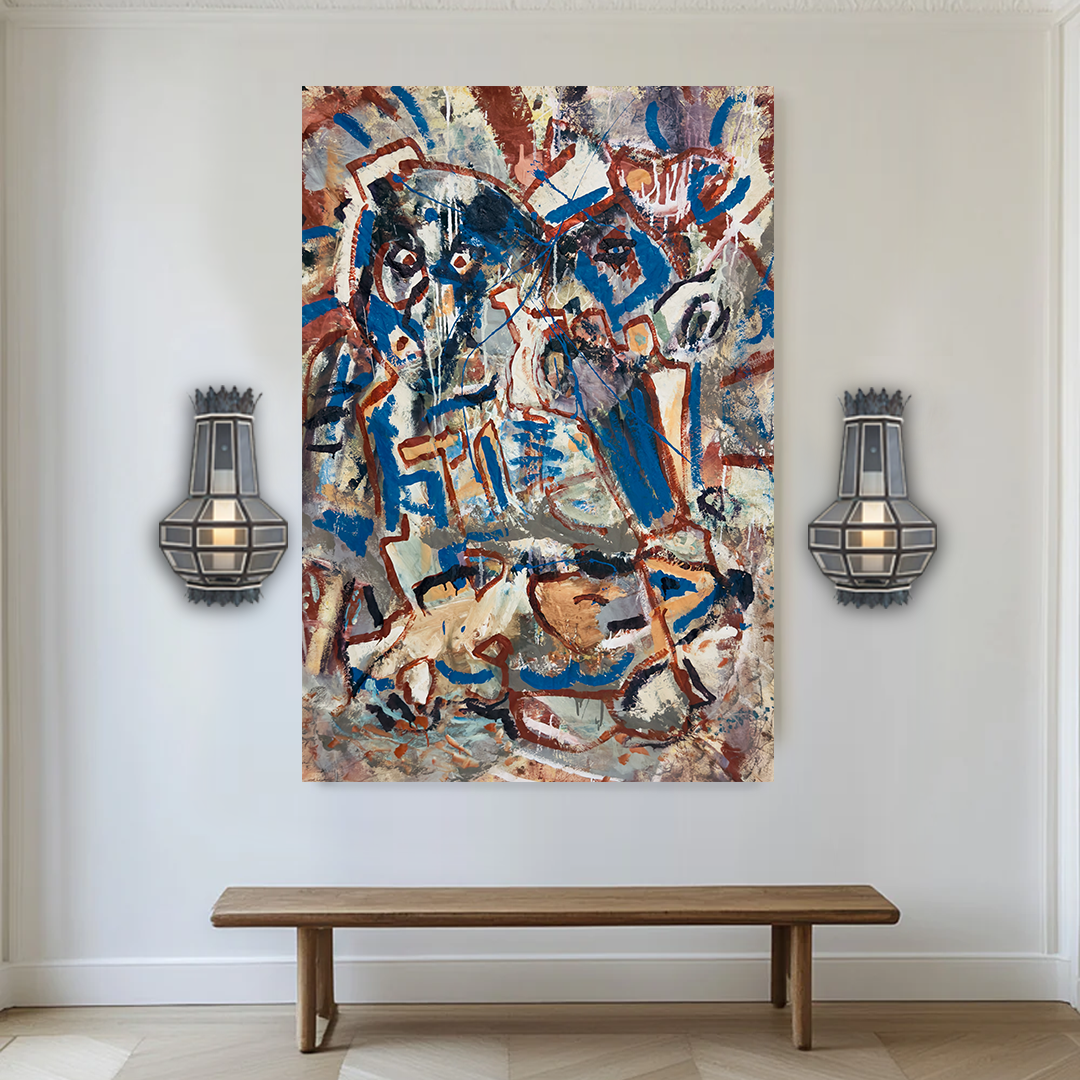
Because there isn't a subject standing between the viewer and the color doing the work. In a landscape or a portrait, color supports a recognizable scene; in an abstract painting, color often is the scene. My own Astral Thicket series works this way deliberately — color moving where the paint wanted to move, without a fixed plan for where a passage of cobalt or rust would land before the brush got there. That's the same instinct Kandinsky and Klee were both describing decades apart: color as the primary decision, not a decision made in service of something else.
How do you actually choose a painting for its color rather than its image?
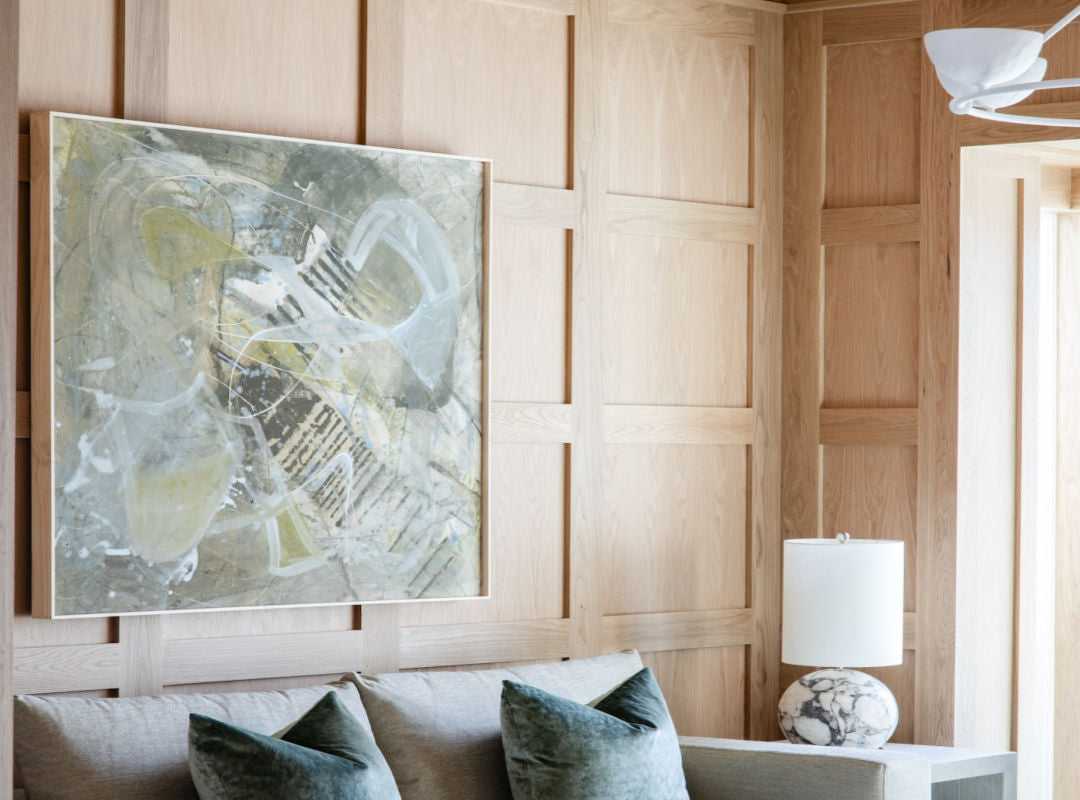
Stand with it the way Monet describes standing with a canvas — not asking what it depicts, but noticing what happens in the room around it. A collector choosing a color-forward original is choosing a mood for a specific wall: does the room want to be cooled by a blue-grey passage, or warmed by rust and ochre. That's a more useful test than "do I like the composition," because color is doing most of the emotional work before composition even registers.

Is a darker, more saturated palette less "colorful" than a bright one?
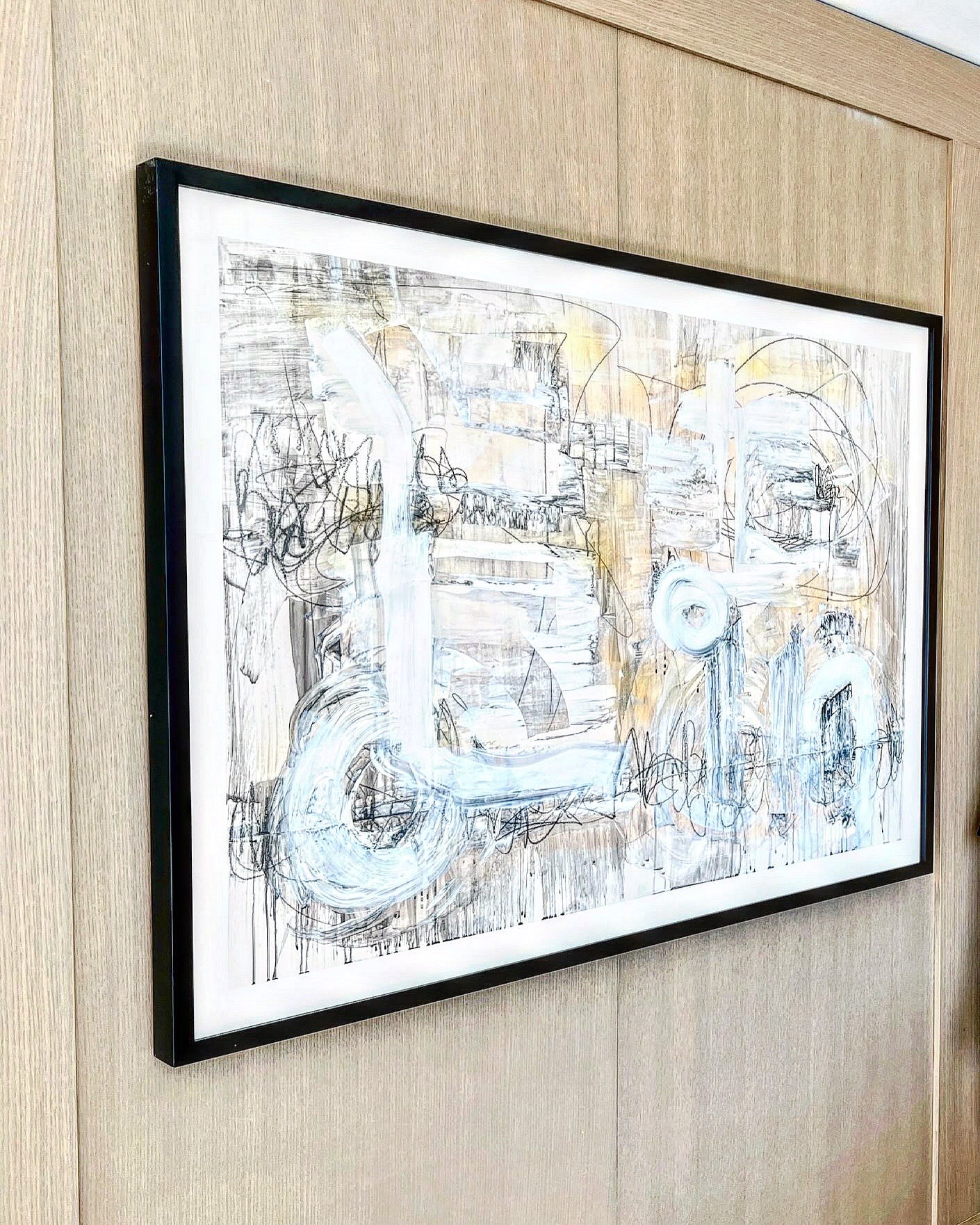
No — per Sarah Roberts's own framing of Joan Mitchell's so-called "black paintings," a deep, narrow palette is still a full color decision, just pitched at a different register. Marigold Blue Grey Coffee Brown, shown above, makes the same argument in a warmer key: the color range is deliberately tight, and the depth comes from how those close tones sit against each other, not from how many different hues are in play.
See the current color range across the in-stock collection, or start a commission built around a specific palette for your room. Designers sourcing color-led work for a client can see trade terms on the trade program page.
Frequently Asked Questions
Why do collectors respond so strongly to color in abstract art?
Because in the absence of a recognizable subject, color carries most of a painting's emotional signal directly — it's the first thing registered and often the reason a piece is remembered.
Is a dark, low-saturation palette still considered "colorful"?
Yes. Curators including Sarah Roberts describe even near-monochrome, deeply saturated palettes as full color decisions rather than an absence of color.
How should I choose an abstract painting based on color rather than subject?
Consider the mood the color range creates in the specific room — whether it should cool, warm, ground, or energize the space — rather than judging the piece by composition alone.
Can I commission an original painting built around a specific color palette?
Yes — Angela Simeone's commission process includes two full painting options developed at once, allowing a palette to be refined before the piece is finished.
Sources: David Zwirner, "To define a feeling: Joan Mitchell, 1960–1965" (Sarah Roberts, 2025); Miriam Schulman, schulmanart.com; Wassily Kandinsky, "Concerning the Spiritual in Art" (1911); Paul Klee, Tunisia diary (1914), per Qantara.de; Claude Monet, widely documented statement; Henri Matisse, widely documented 1908 statement; Georgia O'Keeffe, archival interview, per Wikiquote/AZQuotes.
New color-forward original work from Angela Simeone's studio ships regularly — see what's in stock now at angelasimeone.com.