Art Is How a Home Remembers: Collecting Original Work as a Record of Your Time
Collecting original work as a record of your time
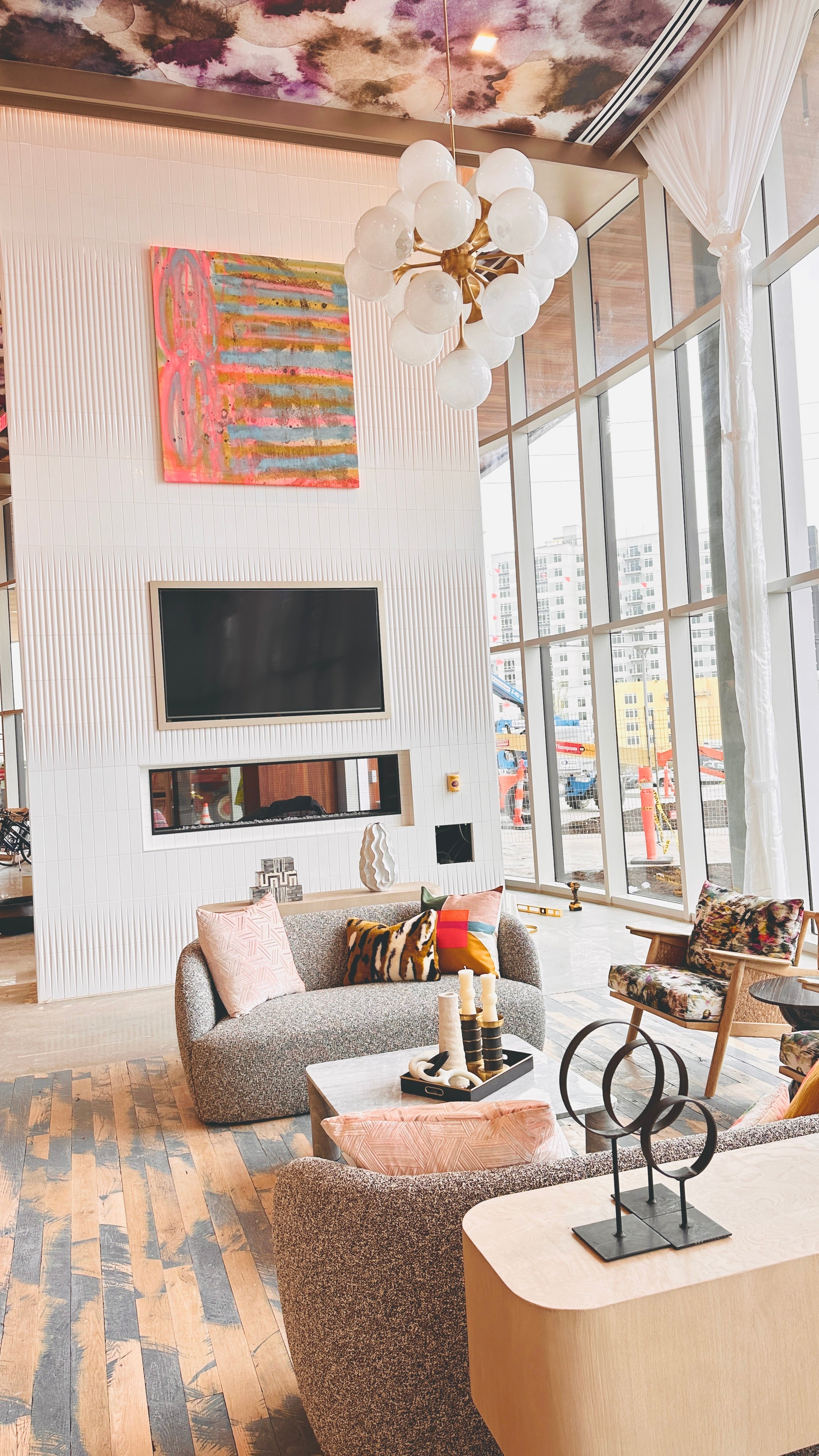
The oldest rooms in the world are remembered for one thing on the wall, not for the molding. Walk through a Florentine palazzo, an English country house, a great hotel that has earned its name, and what you carry out isn't the cornice work — it's the painting that fixed the room in a particular century and made it impossible to mistake for any other. That isn't nostalgia. It's how rooms accrue meaning. They remember through their art.
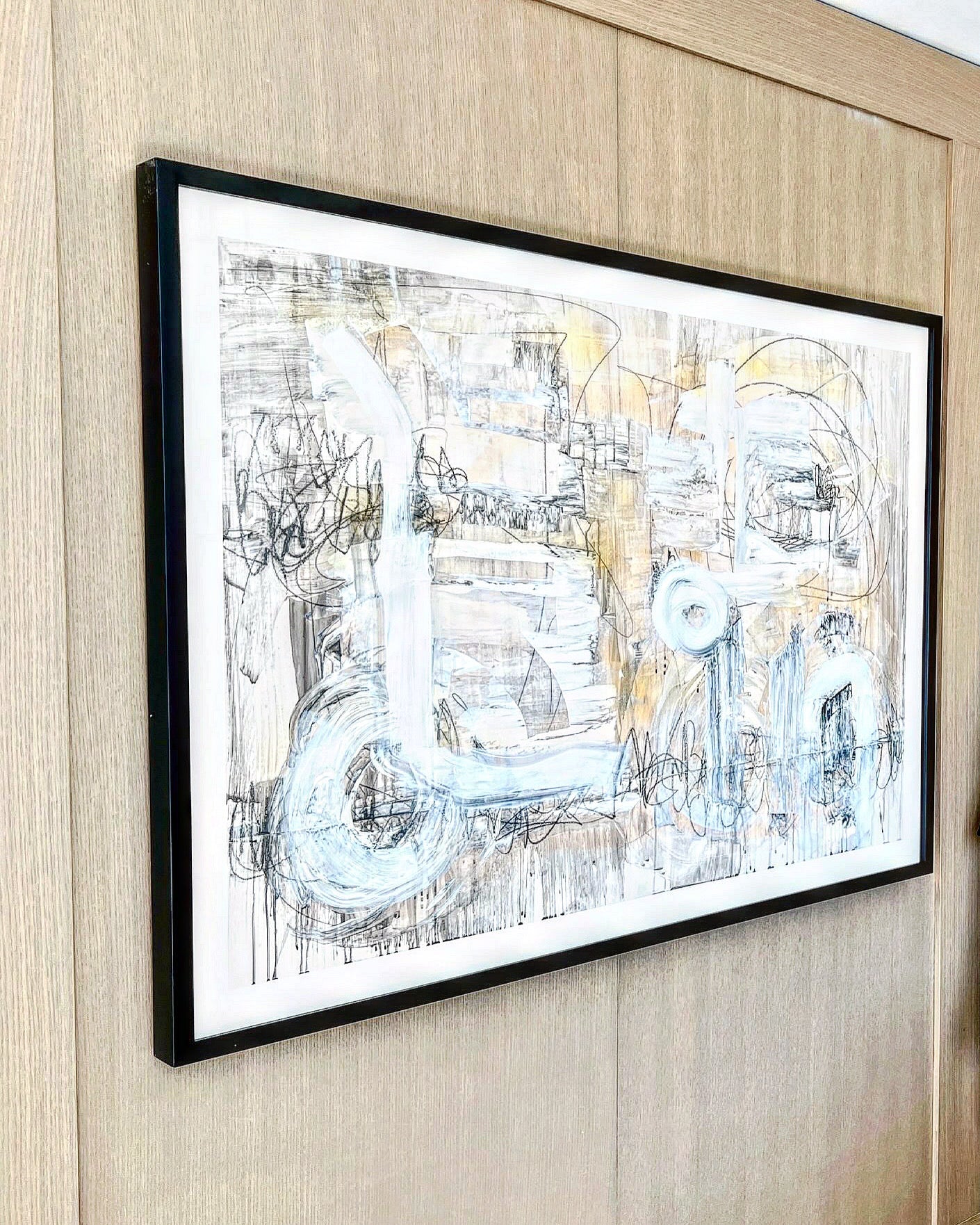
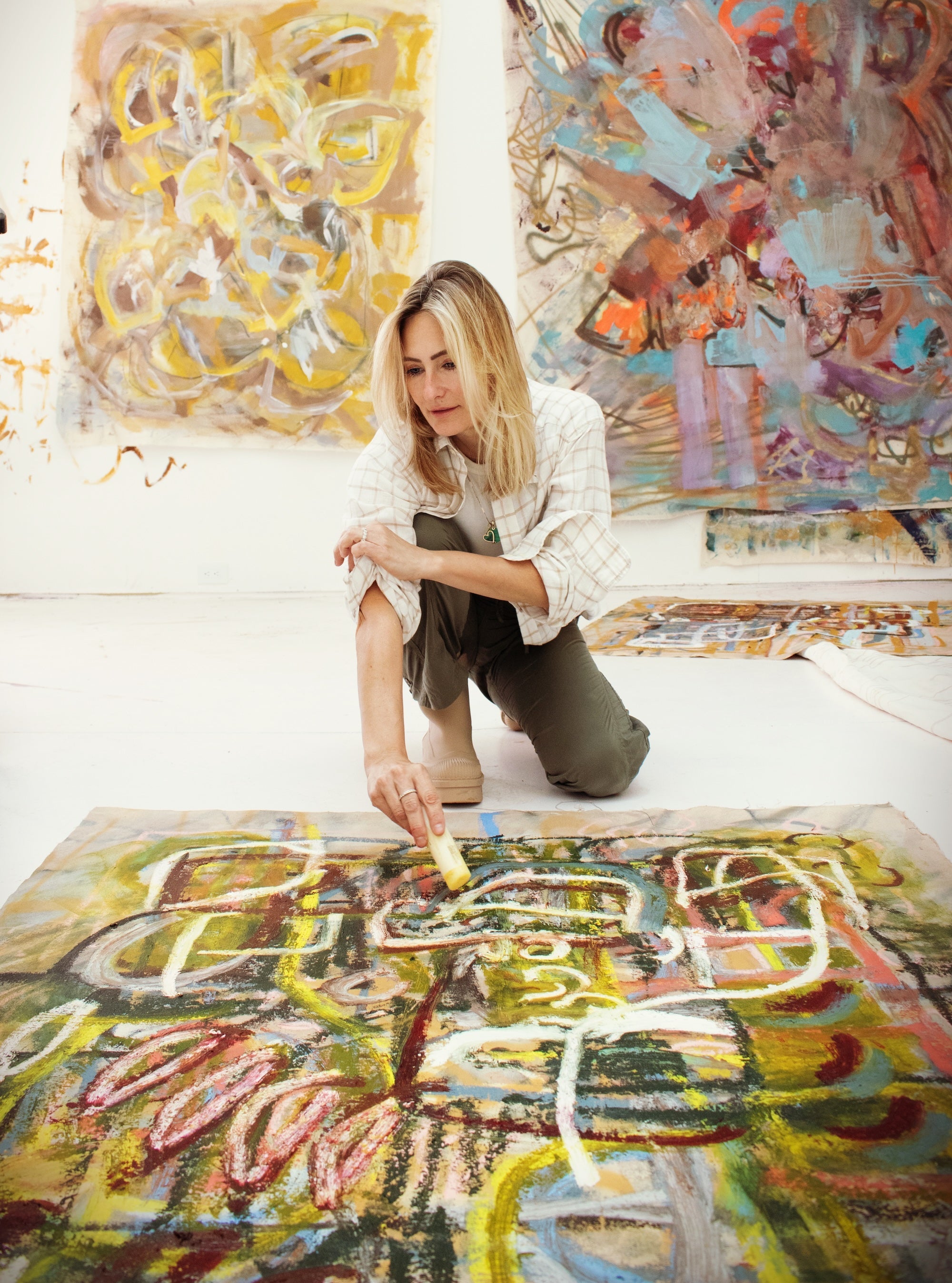
I think about this a lot, because I make the kind of object that does the remembering. An original painting isn't only a finish for a wall. It's an entry in a record — yours.
A home with original art has a past
Buy a house and you inherit its bones. Hang an original and you give it something it didn't have before: a history of its own. Jean-Louis Deniot, the Parisian designer, says the pieces a client collects "create an instant feeling of stability and continuity with the past." That continuity is the quiet luxury people are actually after when they say a room feels grounded. It isn't age. It's the presence of objects that carry time.
Coco Chanel said an interior is "the natural projection of the soul." A house full of bought-by-the-set decoration projects very little. A house with a few chosen originals projects a person — which is the whole point. Albert Hadley spent sixty years reminding his clients that "the essence of interior design will always be about people and how they live," and David Hicks reduced it to a sentence: "The best rooms have something to say about the people who live in them." What a room has to say, it says mostly through its art.
Your collection is a visual library of your moment
Here's the idea I keep coming back to: the art you live with is a visual library, and every piece is an entry. It records what you found beautiful, what you were brave enough to choose, where you were standing in the larger story when you chose it. Nate Berkus puts the human version of this plainly — "we represent ourselves through the things we own." The things with the longest memory are the ones made by hand, on purpose, once.
Artists understand collecting from the other side of the easel. Georgia O'Keeffe described her whole project as "making your unknown known" — turning a private vision into an object someone else can live with. Mark Bradford, asked how he kept going, said only, "with my painting, I've always just pushed forward." When you bring an original into your home, you're not buying a decoration; you're taking custody of one person's unrepeatable push forward, and filing it into your own record.
The collectors knew they were keeping a record
The great collectors never described themselves as decorators. Peggy Guggenheim, who built one of the defining modern collections and lived inside it for the rest of her life, refused the transactional word entirely: "I am not an art collector. I am a collector of artists." She wasn't accumulating wall coverage. She was keeping a record of the people who were remaking what art could be — and her rooms, a century on, still tell us exactly when and among whom she was alive.
Even the architects, who deal in permanence for a living, treat art as the soul of the thing they build. Frank Lloyd Wright called architecture "the mother art." The building keeps the weather out. The art is what makes the inside remember.
Why this matters more now, not less
We live mostly through screens, where every image is infinite and nothing is kept. That's exactly why a made-once object on a wall has become rare enough to matter. A reproduction participates in the flood — the same picture, everywhere, remembered by no one. An original interrupts it. It's a fixed point in a feed that never stops, a thing your home can hold onto and pass down.
So when people ask me what an original "does" for a room, this is the part I mean and rarely get to say out loud: it gives the home a memory. Years from now the kitchen will be dated and the sofa will be gone, and the painting will still be telling whoever's standing there exactly who chose it, and when, and what they could see that nobody else could.
That's the work I make — original paintings and commissions for collectors and the designers who place them, built to be the thing a home remembers. When you're ready to start that record on one wall, the studio is here.
Frequently asked questions
How does original art give a home a history?
An original is a made-once object that carries the time and hand of its making. Living with it gives a home a record of its own — a past it didn't have before, and one that deepens with the years.
Is collecting art a way to record your life?
Yes. A personal collection is a visual library: each original marks what you valued and chose at a point in time, becoming a record of your taste and your moment.
Why does original art matter more in a digital age?
Screens make every image infinite and disposable. A made-once original on a wall is rare precisely because it can't be endlessly copied — a fixed point your home can keep and pass down.
Do original paintings hold meaning over time?
More than almost anything else in a room. Furniture dates and trends pass; an original keeps telling whoever stands before it who chose it and why.
Should I commission original art for my home?
Commissioning lets you start your record with a piece made for your wall and your moment — the most personal entry you can add to a home's history.
Angela Simeone is a Nashville-based contemporary abstract painter creating original paintings and commissions for art collectors, interior designers, and hospitality and commercial spaces; her work has been featured in Architectural Digest. For originals, commissions, and trade inquiries, visit angelasimeone.com.
Quotes are drawn from published statements and interviews by Jean-Louis Deniot, Coco Chanel, Albert Hadley, David Hicks, Nate Berkus, Georgia O'Keeffe, Mark Bradford, Peggy Guggenheim, and Frank Lloyd Wright.