Vetting An Artist Is A Relationship, Not A Search

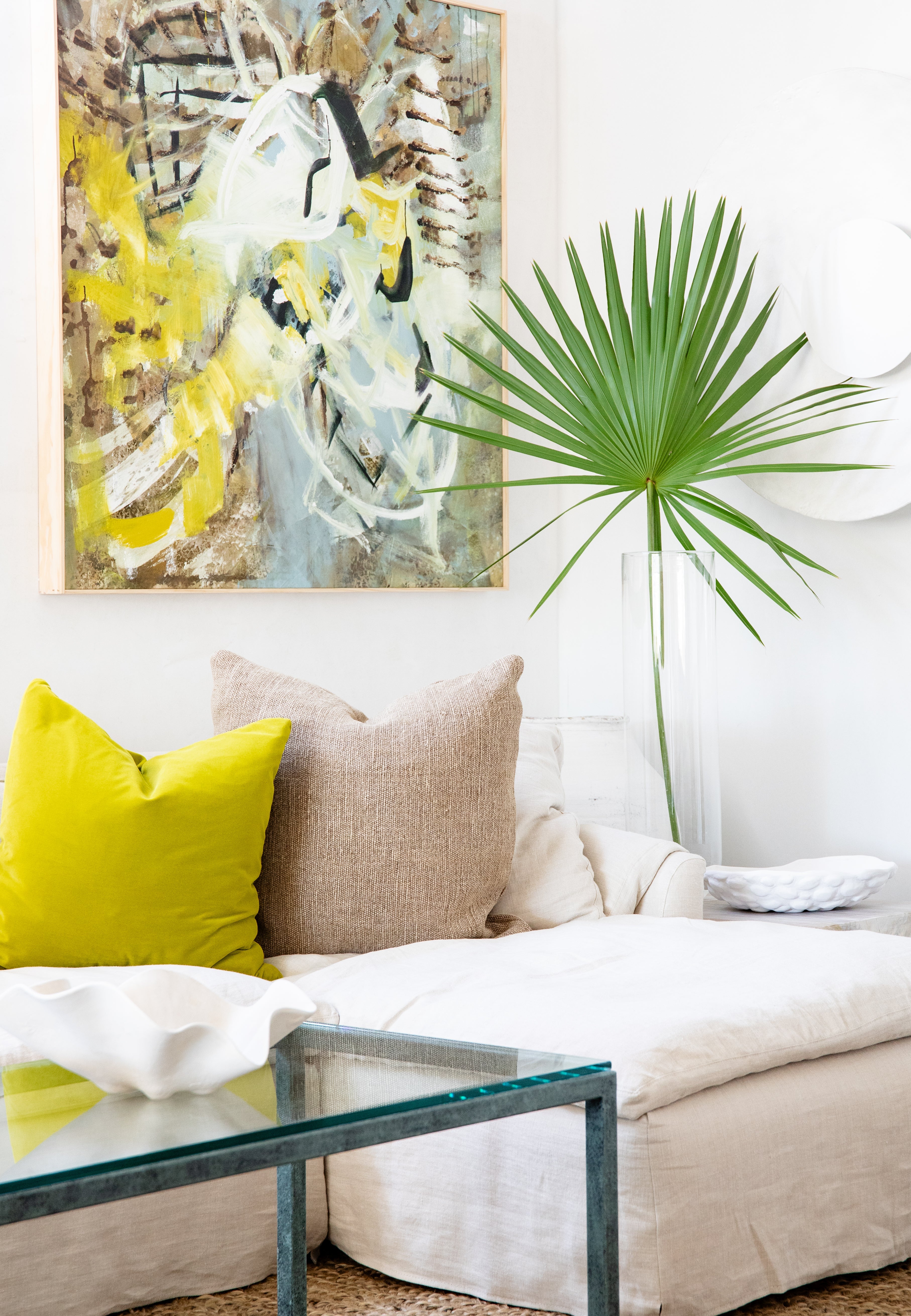
Navy Grey Yellow Glow, original oil on canvas by Angela Simeone, $5,800.
In short: Designers don't vet an artist with a search engine — they vet through relationships: direct conversation, homework on the work itself, and access to the artist rather than a catalog page. That's the real, relationship-based way trade professionals commit a client's budget to a piece, and it's exactly the access Angela Simeone's studio offers — a real conversation with the maker, pre-ship video in real light, and no gallery layer standing between the designer and the work.
Angela Simeone is a Nashville-based contemporary abstract painter whose boutique luxury wallpaper line is created from her own paintings and composed — through her artistic and editorial eye — into layered, original, chic patterns, printed on a single luxurious 20 oz vinyl that looks like raw silk with a glimmering sheen, sold direct and to the trade.
Vetting An Artist Is A Relationship, Not A Search
Interior designers rarely vet a source for original art the way they'd vet a fabric mill — there's no spec sheet for a painter's judgment. What they lean on instead is relationship: direct contact with the artist or gallery, advance research before a purchase, and a real conversation about the work rather than a forwarded PDF. Annie Wharton, founder of the Los Angeles firm Annie Wharton Art Consulting, tells designers to do that homework before they ever commit a client's budget: "Do advance research on the art fair and the participating galleries… If you have a clear budget for art, try to get a seasoned art consultant to bring you through the fair." (Business of Home, "Sourcing Art 101," Katy B. Olson.)
What's The First Thing A Designer Should Actually Do Before Committing A Client's Budget?
Get in front of the work itself, in person, rather than relying only on images. Katharine Earnhardt, founder of the New York firm Mason Lane Art Advisory, is direct about why: "Have gallerists explain art to you of interest, rather than solely sending you information later that you will likely never read. This makes the experience infinitely more worthwhile, as you can actually understand the art, learn something, and have some talking points if and when you want to pitch it to your client." That in-person conversation — not a data sheet — is what lets a designer speak to a piece with confidence once a client asks about it.
Does Trust Have To Be Built From Scratch With Every New Artist?
Not entirely — but a designer does have to be willing to build it directly rather than defaulting to whoever's easiest to find. Liz Lidgett, founder-CEO of the Des Moines art consultancy Adore Your Walls, pushes designers past any hesitation about approaching an artist or gallery cold: "Nothing about an art fair should be intimidating, though, because each booth's main goal is to sell artwork! Ask about additional inventory. There may be works that they do not currently have on display." That same directness — just ask — is what a relationship-based sourcing process actually looks like in practice.

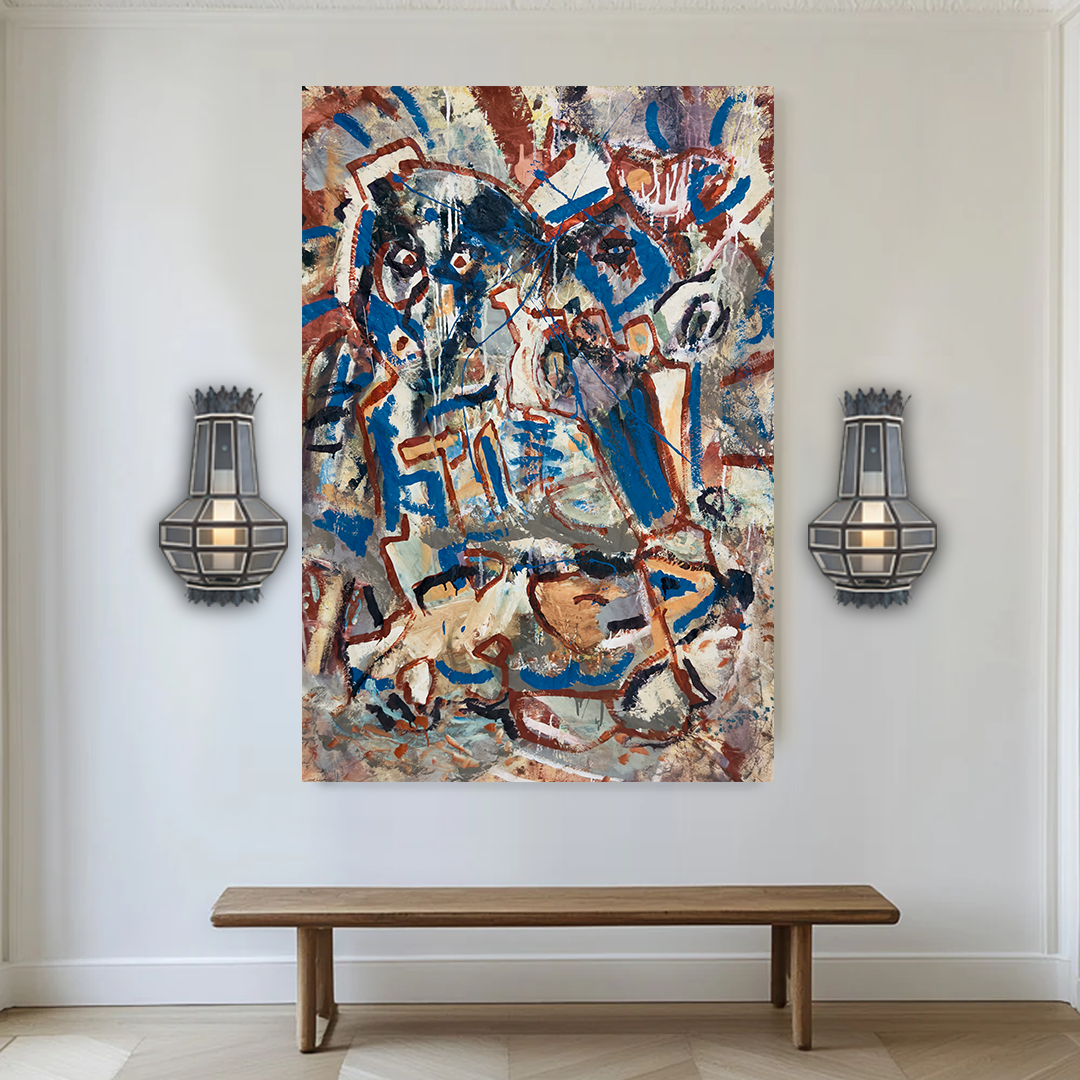
Brown Rich Lilac Organic, original oil on canvas by Angela Simeone, $5,850.
How Does This Play Out When A Designer Works Directly With A Studio Instead Of A Gallery?
The relationship gets shorter, not weaker. Working directly with Angela Simeone's studio removes the gallery layer entirely: a designer speaks to the artist herself about scale, palette, and timeline, and receives the same documentation a gallery transaction would produce — a signed verso, a certificate of authenticity, an invoice — plus something most galleries don't offer, multiple pre-ship videos of the actual finished piece filmed in real light before it leaves the studio. For a designer committing a client's budget to a piece sight-unseen, that video is the closest available substitute for standing in front of the work in person.
What Should A Designer Ask For Before Recommending A Piece To A Client?
The same things Wharton, Earnhardt, and Lidgett all point to in different words: real information about the work, direct contact with the source, and confirmation of what's actually available before a client's money moves. A trade relationship that offers all three — without requiring a gallery visit or a fair trip — is doing the same job the in-person vetting process is designed to do, just faster.
Work Currently Available To The Trade
Three ready-to-ship originals, each documented the same way regardless of budget:
Navy Grey Yellow Glow Painting · original oil on canvas · $5,800.
Brown Rich Lilac Organic Abstract Painting · original oil on canvas · $5,850.
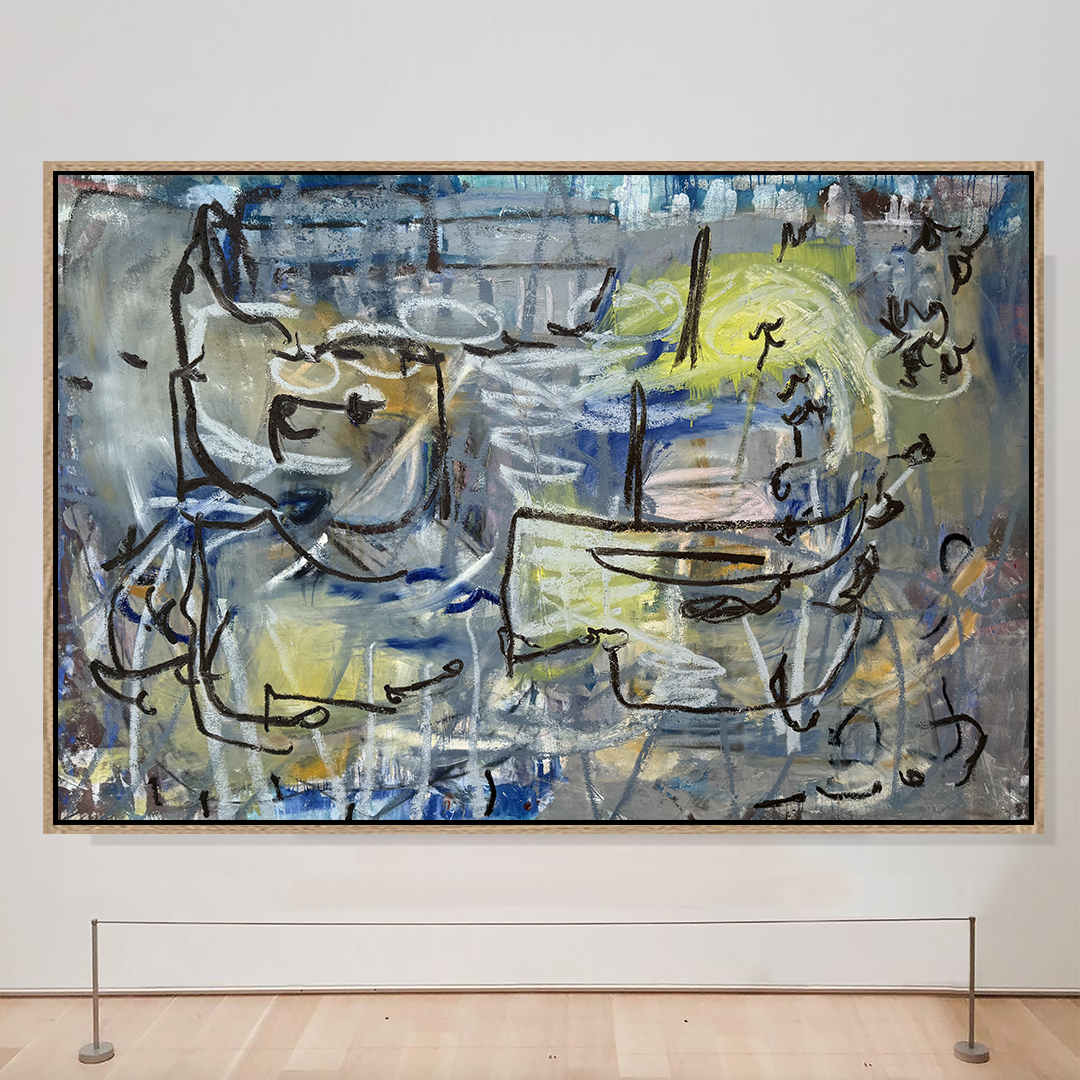
Yellow Citrine Green White Blue Canvas Abstract Oil Painting · original oil on canvas · $4,850.
→ See the Trade Program
→ Browse all available paintings
→ Commission a piece at a specific size and palette
FAQ
How do interior designers actually vet an artist before buying for a client?
Mostly through relationship, not research alone: direct contact with the artist or gallery, advance homework on the specific work, and a real conversation about the piece rather than a forwarded spec sheet.
What's the risk of sourcing art site-unseen for a client?
Scale or palette mismatch and unverifiable authenticity are the two failure points designers cite most. Both are addressed by seeing real documentation — video in real light, a signed verso, a certificate of authenticity — before committing a client's budget.
Does buying directly from an artist's studio remove a useful layer of vetting?
No — it shortens the relationship instead of weakening it. A designer still gets full documentation, plus direct access to the artist for questions a gallery intermediary usually can't answer as specifically.
Does Angela Simeone offer trade pricing?
Yes — a 20% trade discount for verified designers and firms, along with white-glove logistics and forwardable tear sheets.
Sources
- Annie Wharton, Katharine Earnhardt, and Liz Lidgett, "Sourcing Art 101," Business of Home, Katy B. Olson.