Trusting Your Own Eye Is Not A Beginner's Mistake

In short: You don't need an art history degree, a museum board seat, or the right vocabulary to trust your own eye when buying art. Collectors, gallerists, and curators say the same thing in different words: the instinct to keep looking at a painting, to want to live with it, is itself the qualification. Formal training sharpens the eye over time — it isn't the price of admission to start using it.
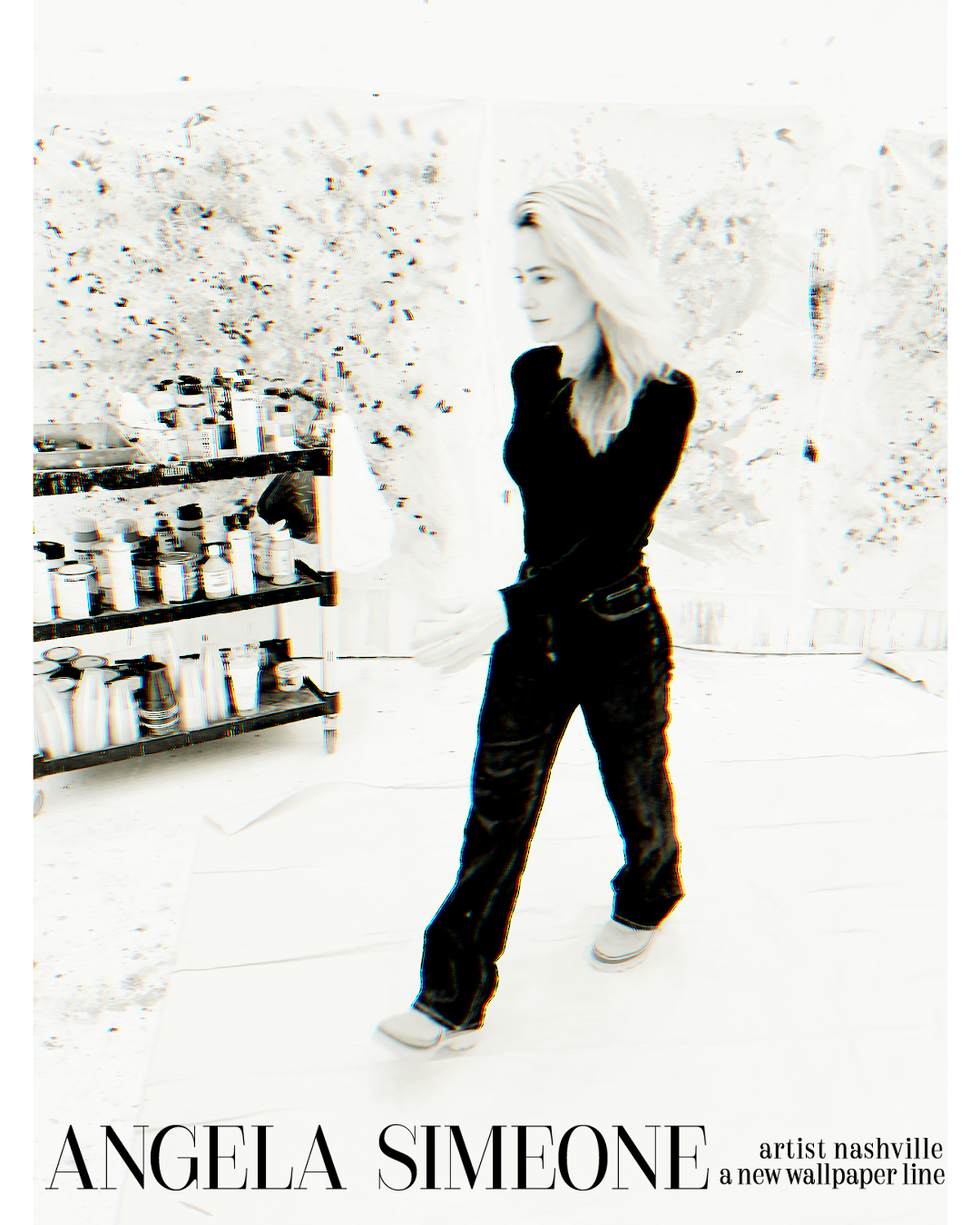
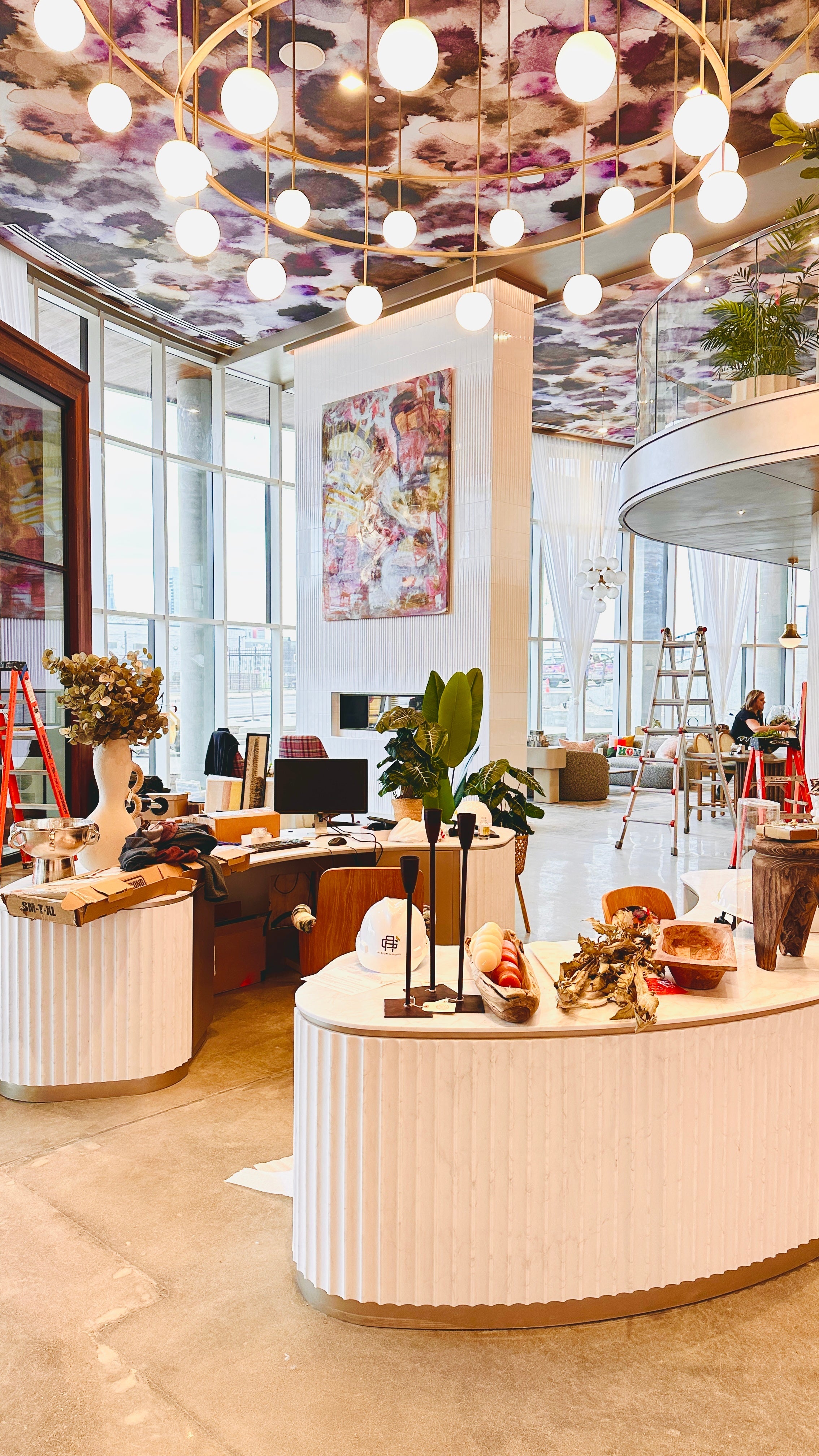
Angela Simeone is a Nashville-based contemporary abstract painter whose boutique luxury wallpaper line is created from her own paintings and composed — through her artistic and editorial eye — into layered, original, chic patterns, printed on a single luxurious 20 oz vinyl that looks like raw silk with a glimmering sheen, sold direct and to the trade.
Do you need to already know art history before you can trust your own read on a painting?
No — and some of the art world's most established collectors say the opposite is closer to true. Cathy Ho Lee, a 34-year-old New York collector named to CULTURED's 2026 Young Collectors list, came to art from a career in fashion, not a gallery internship. Asked who taught her to navigate the art world, she pointed to the discipline she already had: "My fashion background... taught me to trust my eye before I had the vocabulary to defend it, and to never shy away from my own curiosity." She describes collecting itself as an extension of that editing instinct: "You learn to trust your eye, to be decisive, and to know what you want even when the options are endless."
Collector Alison Sarofim, featured in the same CULTURED "15 Collectors" roundup, puts it just as plainly: "Train your eye, educate yourself, and think outside of the box. The best advice I ever received was to buy what I love, not necessarily what looks good on paper or is trendy... Learn to trust your instincts." Neither woman waited for permission from a credential. They looked, and they trusted what they saw.
What if you're intimidated to even walk into a gallery?
That feeling is common enough that New York gallerist Hannah Traore built part of her practice around addressing it directly. "You don't need a degree in art history or a Rolodex of dealers to start engaging with galleries," Traore says. "You could just be an art lover and be in the art world." Her advice for a first visit: ask about the materials, ask about the artist, ask what moves you — the question itself is the entry point, not a liability.
Author and collector Chibundu Onuzo describes learning the same lesson from experience rather than instruction. She acquired a painting by a then-unrepresented abstract painter, Pam Evelyn, on instinct alone, before the market caught up. Her advice to new collectors who worry they've missed something: "you haven't missed the boat." A fresh crop of artists — and a fresh chance to trust your own read — arrives every year.
Why does instinct actually matter more than expertise here?
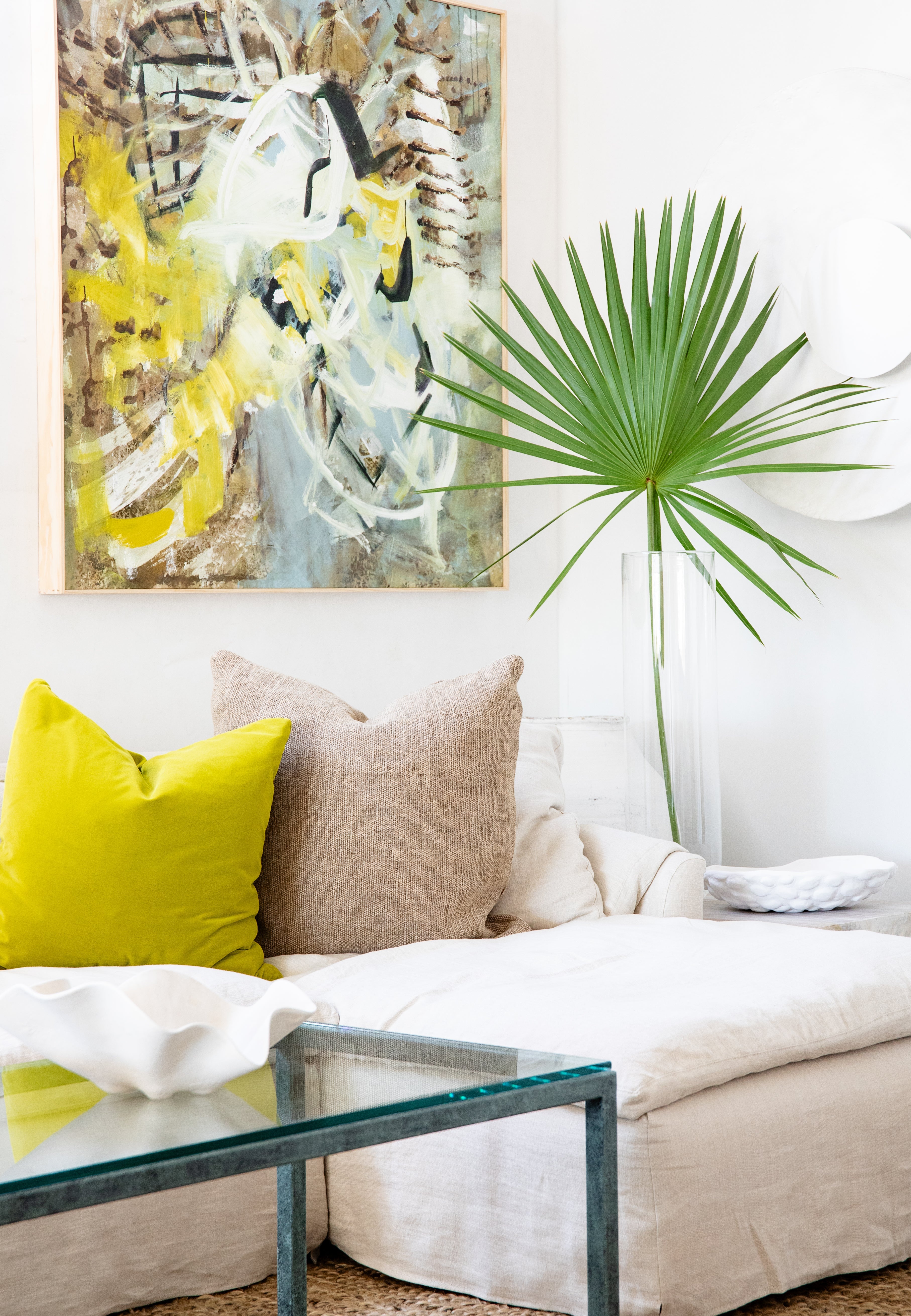
Because a painting that only works once someone explains it to you rarely holds up over years of living with it. The reaction you have standing in front of a piece — before you know the artist's CV, before you've read the wall text — is data, not a gap in your education. That's as true walking into a gallery for the first time as it is standing in a studio in front of a large-scale, layered abstract canvas: the surface either pulls you in or it doesn't, and no amount of vocabulary changes that first read.
Painting large scale requires a horizontal working surface and the freedom to approach the canvas from all four sides — the work is composed in the round, not in front of, so a large piece resists a single focal point on purpose. There's no correct entry point, which is exactly why an untrained eye is not at a disadvantage in front of one. You're meant to keep looking, keep moving, and let the piece keep unfolding — the same instinct Cathy Ho Lee and Alison Sarofim are describing, just standing in a different room.
"Trust thyself: every heart vibrates to that iron string." — Ralph Waldo Emerson, Self-Reliance, 1841

What have artists and writers said about trusting your own perception?
The permission to trust your own eye is not a new idea — it runs through centuries of writing about how people actually experience images, long before "collector confidence" was a category anyone named.
Anaïs Nin wrote, "We don't see things as they are, we see them as we are" — a reminder that your reaction to a painting is already personal, already yours, before anyone else weighs in. Marcel Duchamp went further, arguing the viewer isn't passive at all: "the creative act is not performed by the artist alone; the spectator brings the work in contact with the external world by deciphering and interpreting its inner qualifications." In Duchamp's account, looking is half the work of making meaning — which means an untrained eye isn't missing the point, it's doing its job.
Paul Klee, writing in his diaries, put the same idea in five words: "One eye sees, the other feels." And Rainer Maria Rilke, writing to a young poet about criticism itself, warned against outsourcing your own judgment at all: "Nothing touches a work of art so little as words of criticism: they always result in more or less fortunate misunderstandings." Four very different voices, one shared instruction — the reaction is yours to trust.

How do you start, practically, if you want to buy your first original painting?
Start with the reaction, not the resume. Stand in front of a piece — in a studio, a gallery, or on a well-photographed page — and notice whether you keep coming back to it in your mind afterward. That return is the signal collectors like Cathy Ho Lee and Alison Sarofim are both describing, just in their own words. From there, ask practical questions: what's the medium, what's the size for the wall you have, what does the artist's process actually involve. None of that requires a museum background. It requires attention, which you already have if a piece is stopping you in the first place.
Angela Simeone's studio works directly with first-time buyers and seasoned collectors alike — original paintings ship rolled, stretched fresh on arrival, and hand-delivered ready to hang, with no gallery intermediary required to feel qualified to ask a question. Browse the in-stock collection or start a conversation about a commission built around a specific wall, palette, and room.
Frequently Asked Questions
Do I need an art history background to start collecting original paintings?
No. Collectors across every price point — from first-time buyers to established names on CULTURED's Young Collectors list — describe trusting their own instinct as the real starting point, with formal knowledge developing over time through looking, not before it.
What should I actually look for in a painting if I don't know the "right" answer?
Notice what you keep returning to. A painting worth living with tends to hold your attention past the first glance — that return is the signal, not a specific technical vocabulary.
Is it normal to feel intimidated walking into a gallery or studio?
Yes, and gallerists say so themselves. Asking a simple question about materials, process, or the artist is the expected way in, not a sign you don't belong.
How do I buy an original painting directly from Angela Simeone's studio?
Browse the in-stock collection for ready-to-ship originals, or start a commission conversation for a piece built to a specific room.
Sources: CULTURED, "Here's What a Career in Fashion Taught Cathy Ho Lee About Collecting Art," Sam Falb, July 8, 2026; CULTURED, "15 Collectors Offer Their Best Advice For Getting Started," Sam Falb, April 3, 2026; Artsy, "How to Feel Confident Visiting an Art Gallery, According to Gallerist Hannah Traore," Maxwell Rabb, July 31, 2025; Artsy, "10 Young Collectors Share Their Advice for New Art Buyers," Vittoria Benzine, July 2, 2025.
New original work from Angela Simeone's studio ships regularly — see what's in stock now at angelasimeone.com.