Sense Of Place In A Painting Is Real

In short: Sense of place in painting is not a marketing phrase — it's a claim serious galleries are staking real shows on. David Zwirner's Los Angeles gallery built its current exhibition, "California Light and Space (The 21st Century Version)," around "terroir," the winemaking term for how a specific ground gives a wine an "indelible sense of place," curated by Helen Molesworth to argue LA's own geography shapes the art made there. The same claim holds for a painting made in Nashville: the walnuts I boil from my own yard for underdrawing, the light my studio actually sits in, the room a painting is eventually calibrated for — none of that is incidental to the finished surface.
Angela Simeone is a Nashville-based contemporary abstract painter whose boutique luxury wallpaper line is created from her own paintings and composed — through her artistic and editorial eye — into layered, original, chic patterns, printed on a single luxurious 20 oz vinyl that looks like raw silk with a glimmering sheen, sold direct and to the trade.
Does A Painter's Actual Place Really Show Up In The Finished Work?
Yes — a major gallery is currently building an entire show on that exact premise. David Zwirner's "California Light and Space (The 21st Century Version)," on view June 4 through August 1, 2026 in Los Angeles and curated by former MOCA chief curator Helen Molesworth, borrows the word terroir directly from wine: "a specific ecosystem or geography gives wine an indelible 'sense of place.'" Molesworth applies it to painting without hedging: "The new LA artists are deeply embedded in the vernacular quality of the city. They are making work that couldn't be made anywhere else but in LA."
What Does "Terroir" Actually Mean When The Medium Is Paint, Not Wine?
It means the specific materials, light, and daily conditions of a place are inseparable from what gets made there — not a backstory added after the fact for a wall label. Critic Tom Teicholz, reporting from the exhibition's press preview, describes Molesworth explaining the term on-site: the ground where something is cultivated, extended to mean the essence of a place — and notes her focus on "the hustle" of LA and "the handmade quality of the work" itself, not just its subject matter. Of the eighteen artists Molesworth selected, Teicholz writes plainly, "these artists provide the guidebook" to a city outsiders usually can't get their hands around.
Why This Isn't Just An LA Argument
Painters have been making this same claim about their own specific ground for a century, in places with nothing to do with Los Angeles. Richard Diebenkorn, working in California decades before "terroir" was a curatorial term, said: "All paintings start out of a mood, out of a relationship with things or people, out of a complete visual impression" — and his Ocean Park series, twenty years and 145 canvases long, never stopped registering the specific coastal light of Santa Monica. Andrew Wyeth, painting the same patch of Pennsylvania and Maine his entire career, put the idea even more plainly: "I prefer winter and fall, when you feel the bone structure of the landscape — the loneliness of it, the dead feeling of winter. Something waits beneath it, the whole story doesn't show." Agnes Martin, whose abstraction has no literal landscape in it at all, still traced her own work back to a specific place: "My work is non-objective... but I want people, when they look at my paintings, to have the same feelings they experience when they look at landscape, so I never protest when they say my work is like landscape" — a debt she attributed directly to the open Saskatchewan prairies of her childhood. Essayist Wendell Berry frames why a real place resists being faked: "A path is little more than a habit that comes with knowledge of a place. It is a sort of ritual of familiarity. As a form, it is a form of contact with a known landscape" — you can't shortcut familiarity, in a path or in a painting. Geographer Yi-Fu Tuan, whose writing on place shaped how a generation thinks about the term, put the whole argument in one line: "Place is a center of meaning constructed by experience."
What This Means For A Nashville-Made Painting Specifically
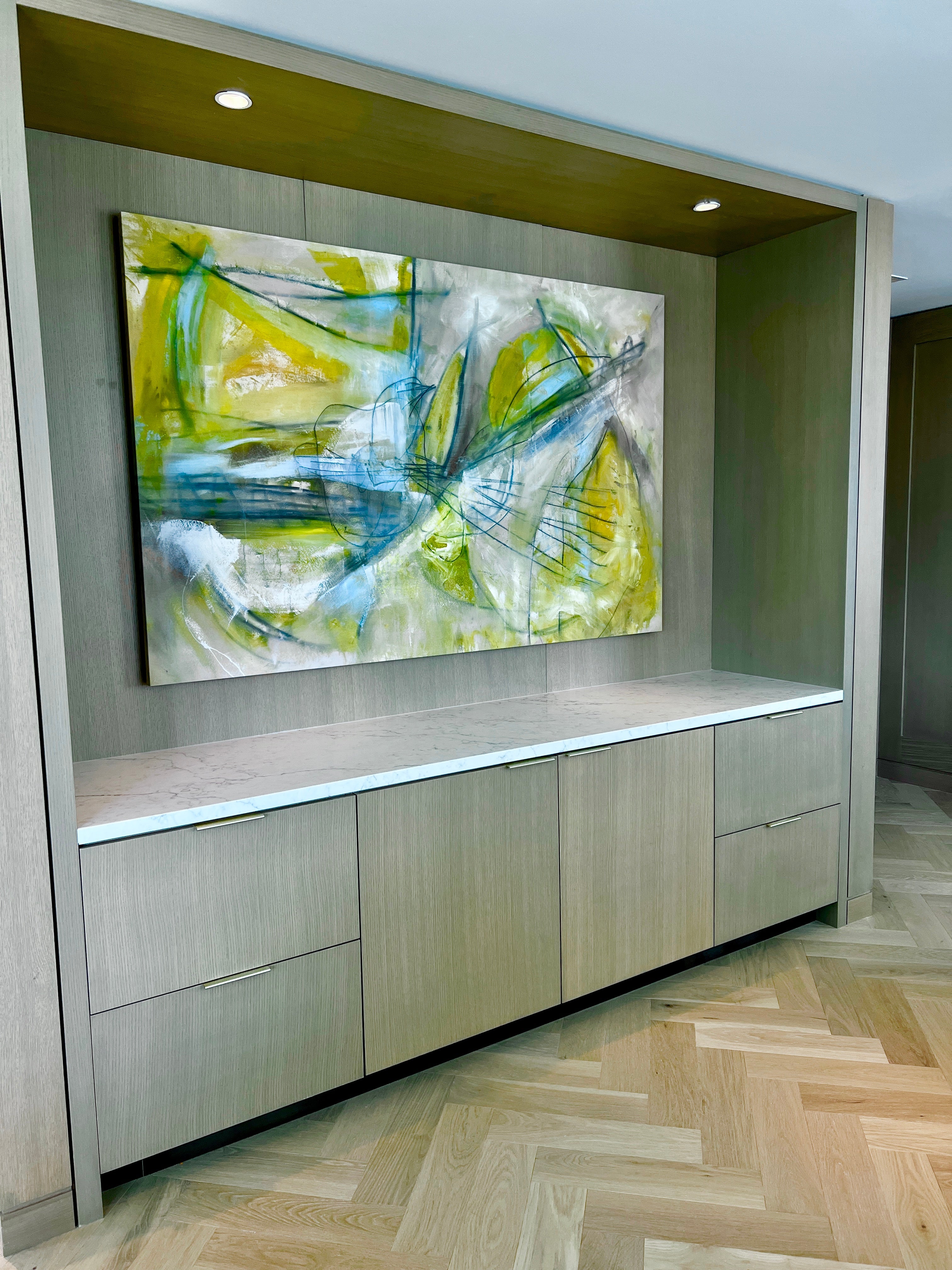
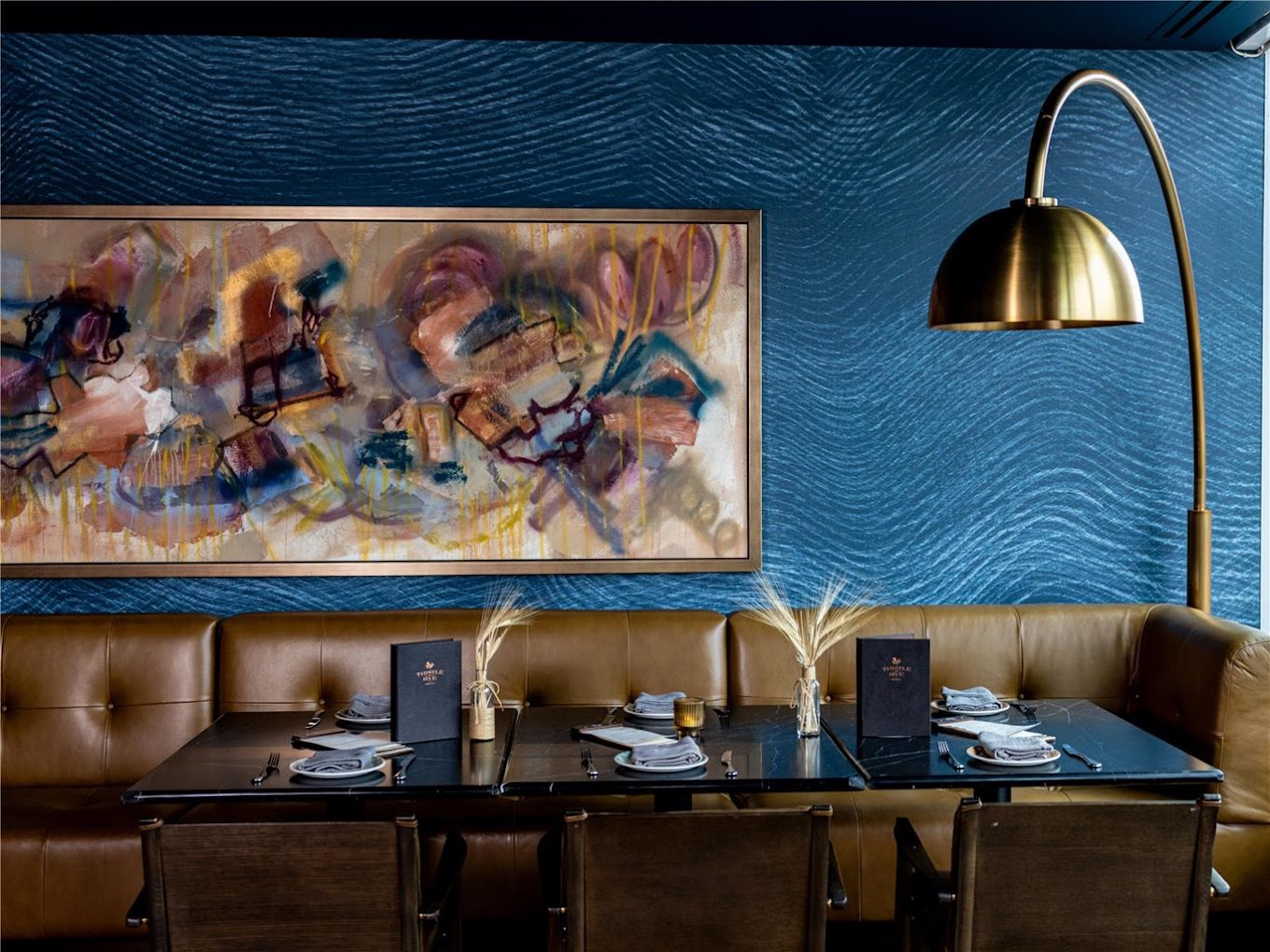
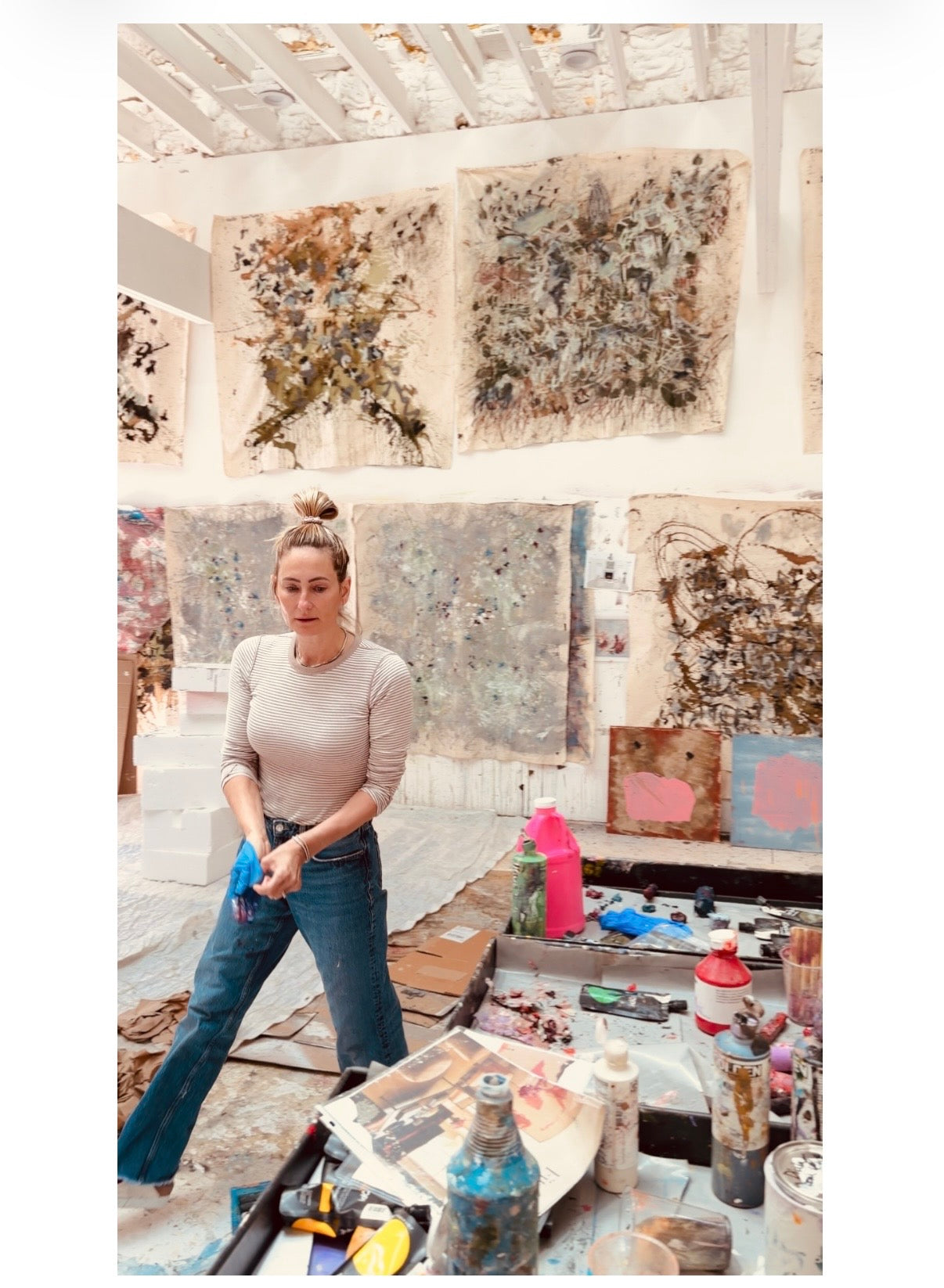
My own materials start from the actual ground I work on: walnuts boiled from my own yard for underdrawing, oil built up and scraped back over weeks in a Nashville studio, palettes calibrated against the specific light that studio gets. That's not a story I attach to a finished canvas — it's the reason the canvas looks the way it does. A collector buying directly from the studio is buying the terroir Molesworth is naming at David Zwirner, at a working-painter's price, with the actual maker available to explain exactly which decisions came from which conditions.
See original paintings available now — including Astral Thicket, a twelve-piece group made in the same Nashville studio and light — or start a conversation about a commissioned painting built around your own room's specific conditions.
FAQ
Is "sense of place" in art just marketing language?
Not according to the galleries staking real exhibitions on it. David Zwirner's 2026 Los Angeles show "California Light and Space (The 21st Century Version)" is built entirely around terroir — the argument that a specific place's light, materials, and daily life show up directly in the work made there.
Does this apply to abstract painting, which has no literal landscape in it?
Yes. Agnes Martin's abstraction carried no literal landscape imagery at all, yet she directly credited the open prairies of her childhood for the feeling in her work — proof the connection runs through materials and mood, not just subject matter.
What Nashville-specific materials show up in Angela Simeone's paintings?
Walnuts boiled from her own yard for underdrawing, and oil built up and scraped back over weeks calibrated to her Nashville studio's actual light — real material decisions, not a backstory added afterward.
What's the advantage of buying an original painting directly from the artist's studio?
Access to the maker herself, who can explain exactly which decisions in the finished surface came from which real, specific conditions — the same terroir argument major galleries are now building shows around.
Sources: David Zwirner, "California Light and Space (The 21st Century Version)" exhibition materials, June 4–August 1, 2026; Tom Teicholz, "Sunshine State: Helen Molesworth Curates The Current State of Art in Los Angeles at Zwirner," The Enthusiast (Substack), June 19, 2026; Artlyst and Artsy, on Richard Diebenkorn and California light; Andrew Wyeth interview quotations, widely documented; Slow Muse and National Gallery of Canada, on Agnes Martin and landscape; Wendell Berry, "The Art of the Commonplace"; Yi-Fu Tuan, "Space and Place: The Perspective of Experience," 1977.