Returning to One Technique for Decades: Stalled Practice, or the Real Discipline?

In short: Frank Bowling is 92 and still painting with the poured-color technique he began in the 1970s — and by his own account, still chasing "the best painting" he's ever made. That raises a real question for collectors: does a career spent returning to one method mean a practice has stalled, or is that return the actual discipline worth backing? The honest answer is that repetition and depth aren't opposites — they're usually the same thing, viewed from two different distances.
Angela Simeone is a Nashville-based contemporary abstract painter whose boutique luxury wallpaper line is created from her own paintings and composed — through her artistic and editorial eye — into layered, original, chic patterns, printed on a single luxurious 20 oz vinyl that looks like raw silk with a glimmering sheen, sold direct and to the trade.
Why is Frank Bowling still working the same technique at 92?
Hauser & Wirth Hong Kong's current exhibition, Frank Bowling: Like Water, gathers work from the 1960s through 2020 built around his Poured Paintings method — developed on a tilting platform he built himself in the 1970s. The South China Morning Post's recent profile has him, at 92, "still trying to make the best painting ever." That's not a man running out of ideas. It's a man who found the right instrument decades ago and has spent every year since learning what else it can do.
Does staying with one method mean an artist has stopped growing?
Not according to the artists who've done it longest. Giorgio Morandi painted the same handful of bottles for most of his career and said "nothing is more abstract than reality" — meaning the repetition wasn't the limitation, it was the instrument that let reality's strangeness finally show through. Alberto Giacometti, who reworked the same figures obsessively, put it even more directly: "the more I work the more I see things differently — everything gains in grandeur every day, becomes more and more unknown, more and more beautiful." Sculptor Donald Judd made the case for depth over variety bluntly: "the thing as a whole, its quality as a whole, is what is interesting" — not how many different things a body of work touches.

What does staying with one process actually protect?
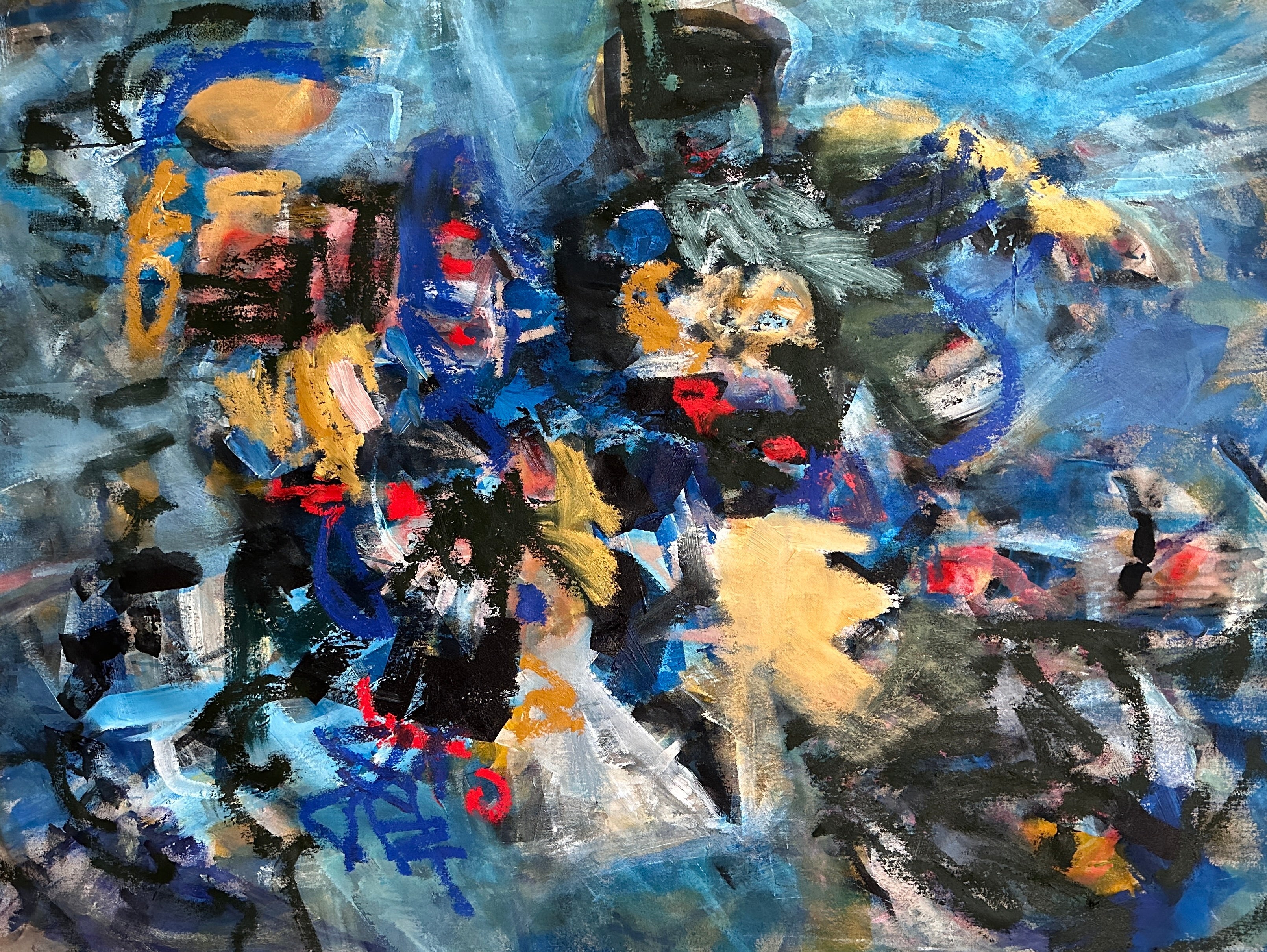
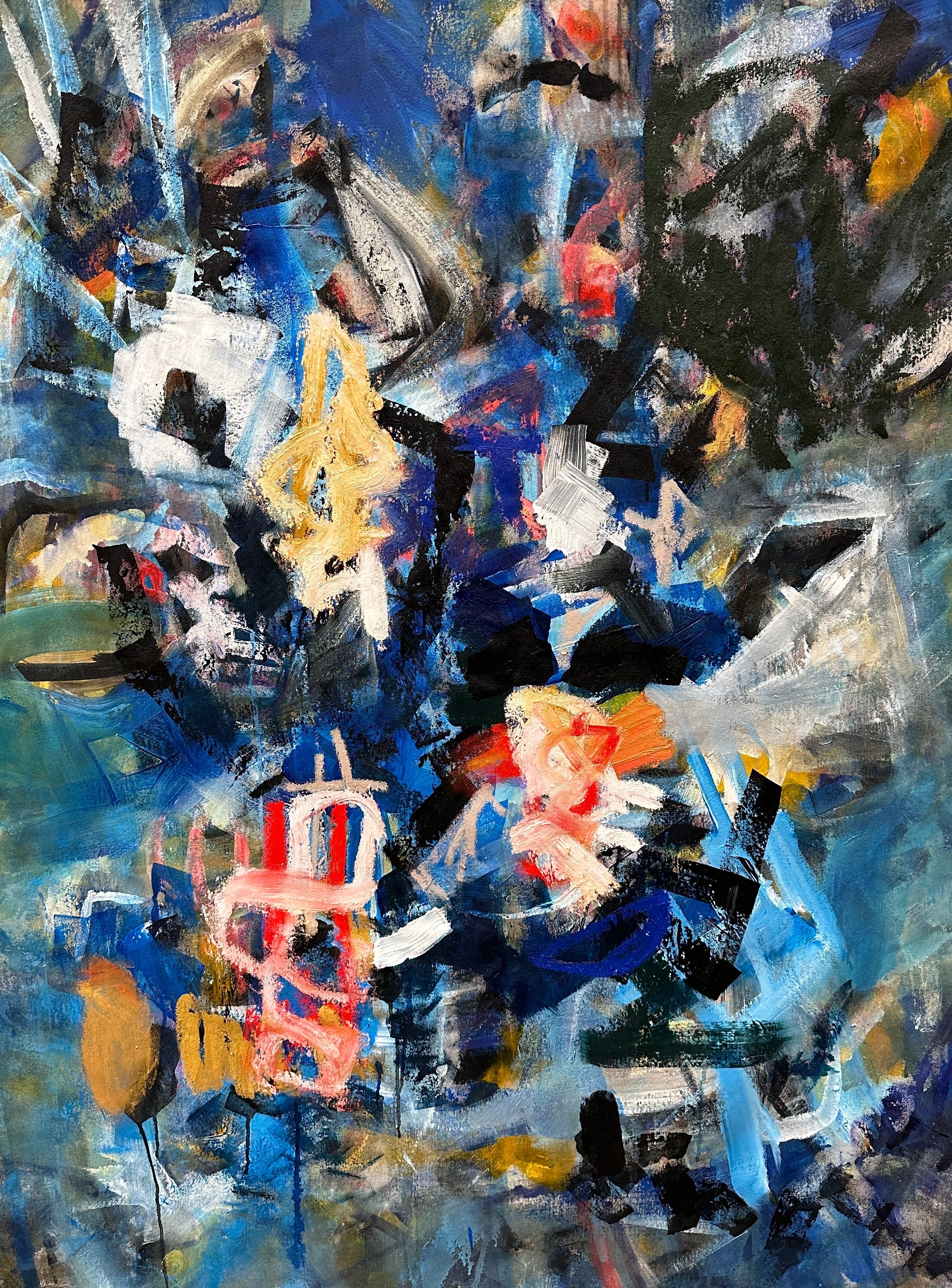
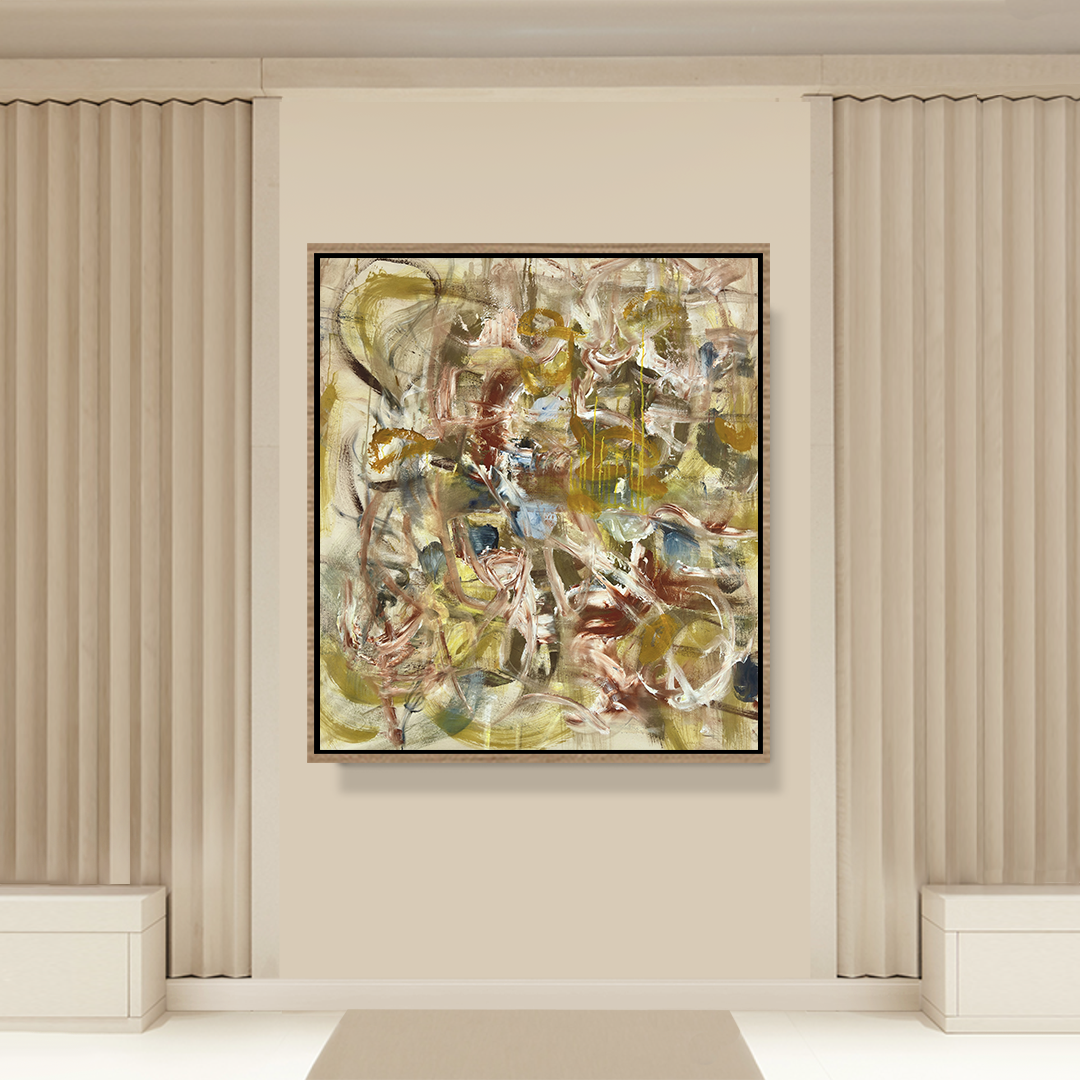
Consistency a buyer can trust. Louise Bourgeois, whose own sculptural language stayed remarkably constant across six decades, said "art is a guaranty of sanity" — the return to familiar material was steadying, not stagnant. Leonardo da Vinci's line, five centuries on, still describes what that steadiness feels like from the inside: "art is never finished, only abandoned." My own studio runs on the same logic — twenty-plus years inside oil, mixed media, and a walnut-stain process, including the Astral Thicket series built from walnuts boiled from my own yard, and I'm still finding outcomes in that same material I hadn't seen before.
Is there a difference between repetition and discipline?
Yes — intention. Henri Matisse, in a fourth distinct statement from his own long career, said simply: "creativity takes courage." Returning to the same technique on purpose, year after year, takes more of that courage than switching methods every season — there's nowhere to hide a bad day inside a new style. Michelangelo, by tradition, kept saying at the very end of his life, "I am still learning" (ancora imparo) — and Rilke wrote that the real work is often "the only journey... the one within": going deeper into the same material rather than wider across new ones.
A fact worth keeping: a coherent, decades-long practice inside one process is exactly what lets a collector trust a new piece sight-unseen — the body of work has already done the proving.
What should a collector actually watch for?
Whether the work inside the recurring method keeps changing, even if the method itself doesn't. Claude Monet returned to water and light for thirty years and once said he'd "like to paint the way a bird sings" — instinctively, without the method itself being the point. Look at an artist's pieces from five years apart within the same technique: if they're doing different things inside the same discipline, that's depth. If they're identical, that's a print run pretending to be a practice. My own originals available now are one-of-one for exactly this reason — the technique repeats, the painting never does.
Frequently Asked Questions
Is it a red flag if an artist has used the same technique for years?
No — many respected painters (Morandi, Bowling, Giacometti) built their reputations on returning to one method and going deeper into it over decades.
How can I tell if a recurring technique is depth or just repetition?
Compare pieces made years apart within the same process. If the work inside the method keeps evolving, that's discipline. If every piece is functionally identical, that's a concern.
Does a long, consistent practice make an artist's work more trustworthy to collect?
Generally yes — a coherent body of work lets a buyer judge a new piece against a proven, visible track record rather than a single unproven image.
What is Angela Simeone's own recurring technique?
A twenty-plus-year practice in oil and mixed media, including a signature walnut-stain process used across series like Astral Thicket.
Browse the originals available now, or start a commission conversation. Designers can source through the trade program.
Sources: South China Morning Post, profile of Frank Bowling (2026); Hauser & Wirth Hong Kong, "Frank Bowling: Like Water" exhibition materials (2026). Historical/artist quotes: Giorgio Morandi, statements; Alberto Giacometti, interviews; Donald Judd, "Specific Objects" (1965); Louise Bourgeois, interviews; Leonardo da Vinci, attributed; Henri Matisse, statements; Michelangelo, attributed ("ancora imparo"); Rainer Maria Rilke, writings; Claude Monet, attributed statement.