Hours, Not Walls, Decide Where a Painting Belongs
In short: Where a painting belongs is decided by light, not by which wall is empty. Daylight moves across a canvas all day, pulling cool passages forward in the morning and handing the warm ground back by late afternoon. Before committing a wall, watch it at three separate hours — early, midday and after dark under the lamps you actually use. The right wall is the one where the painting stays interesting in all three.
Why does the same painting look different at breakfast and at dinner?
Because nothing in the paint is doing it. Oil is not that fast, and a finished surface is stable for decades. What changes is the light crossing it — the angle, the colour temperature, the sheer quantity of it — and a painted surface is built out of layers that respond unequally to all three.
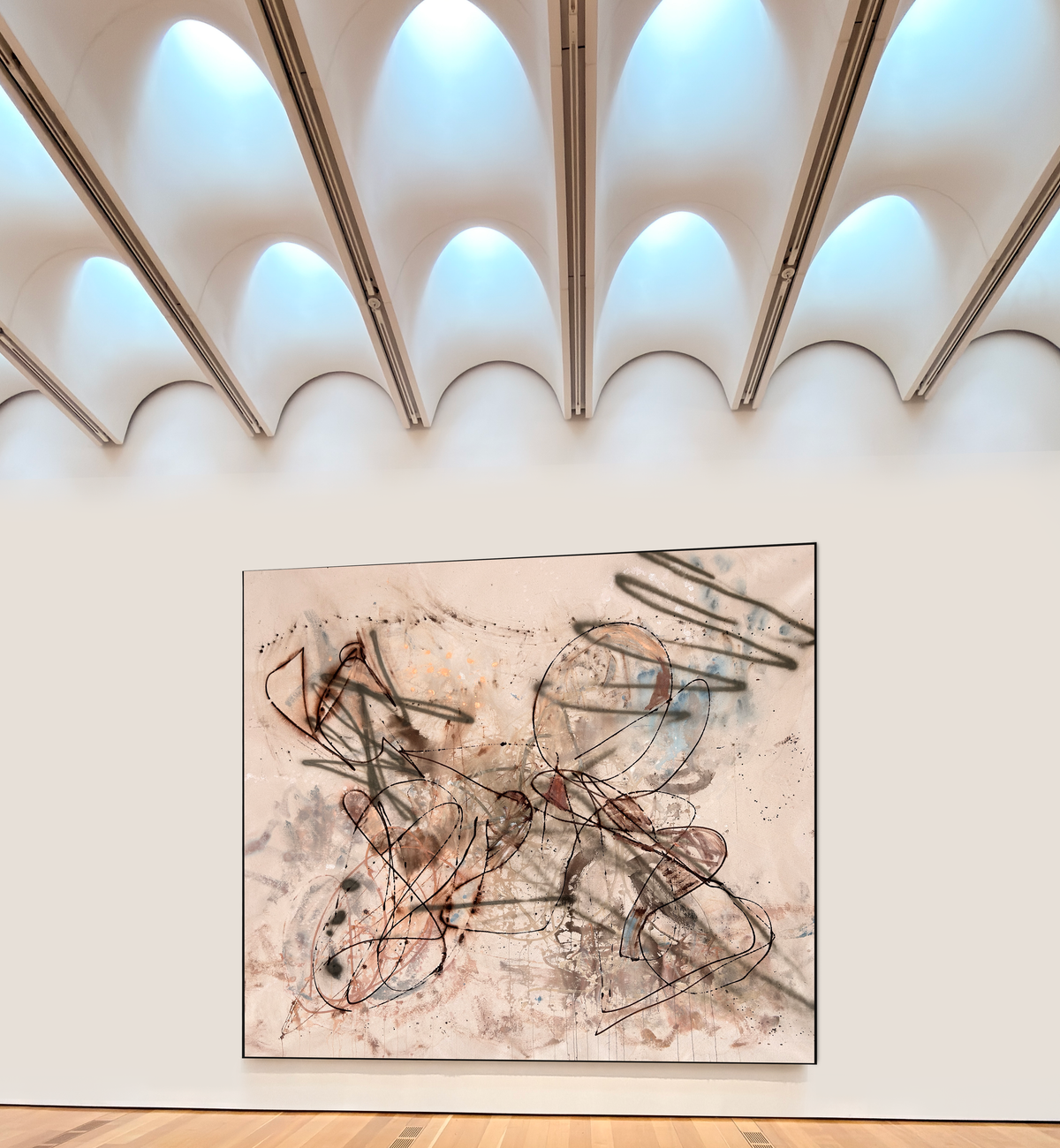
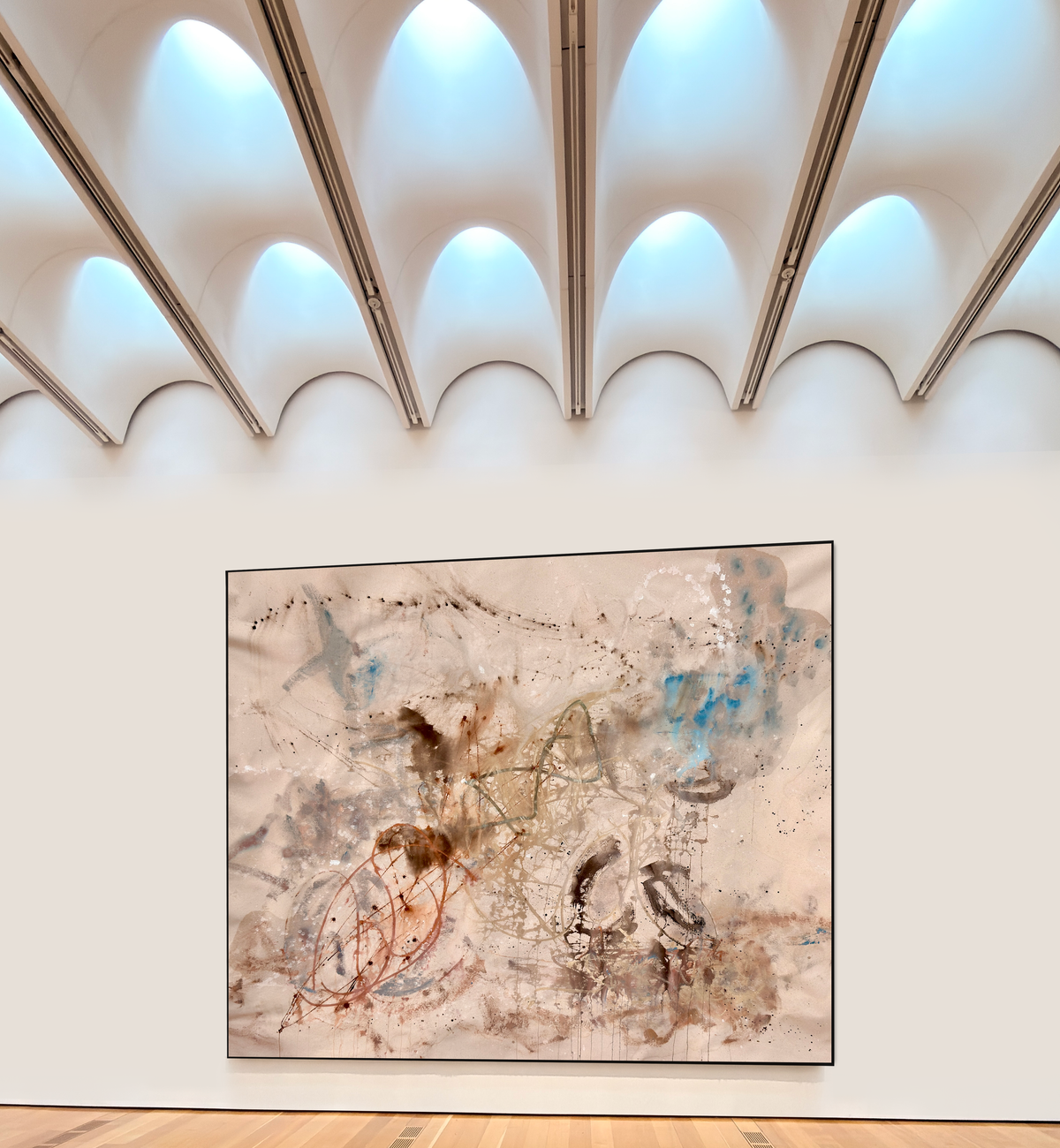
A passage of thinned oil over charcoal underdrawing will read as depth in flat morning light and as texture under a raking evening beam. A dense, worked area that looks resolved at noon can go quiet at nine at night. This is not a fault, and it is not a trick of your eyes. It is the ordinary physics of a hand-made surface meeting a room that keeps changing.
Mary Lovelace O'Neal, the abstract painter, put the reason more precisely than any technical account: "Paint can lie… it can say, 'I'm being very, very quiet,' but then you pull a little zipper back and see all this activity in there." Different light pulls a different zipper.
How do you actually test a wall before committing?
Three visits, three conditions. Do not decide from one look.
- Early. Stand in front of the wall in the first usable daylight of the day. Cool, low-angle light. Note what advances.
- Midday. Same wall, brightest ambient hour. Note what flattens — most rooms lose their most dramatic reading here.
- After dark, under your own lamps. This is the one people skip, and it is the one that matters most, because it is the condition in which most collectors actually sit with their art.
A wall that survives all three is the right wall. A wall that only wins at one hour will feel like a mistake within a month, no matter how good the sightline is.
What about north-facing rooms and rooms with almost no daylight?
Both are workable and neither is a compromise. A north-facing room gives cool, steady, largely unchanging light — extremely flattering to layered surfaces, because nothing gets blown out and the mid-tones stay legible all day. A windowless powder room or an interior hall runs entirely on fixtures, which means the reading is fully under your control and fully consistent.
The genuinely difficult case is not darkness. It is direct sun, which both over-drives the reading at one hour of the day and, over years, is the one condition that will damage the work. Keep original paintings off walls that take direct sunlight, and let the rest of the room's hours do their work.
Does this change what to look for when buying?
It changes one thing: a photograph is one hour, already chosen for you. A product image was lit once, by somebody who picked the flattering moment. That is not deception, it is just the limit of the format.
So when a painting is being considered for a specific room, the useful questions are about behaviour rather than appearance. How many distinct layers are in the surface? Does the ground read through the upper passages, or is it sealed? Is there charcoal or graphite underneath that will surface as the light rakes? A painting with more happening inside it will give a room more hours of interest — which is the honest argument for an original over a reproduction, and one of the reasons a commission begins with a conversation about the room's light rather than its dimensions.
Emma Amos, in her Smithsonian oral history, described the whole ambition in one line: "I try to make a painting resonate in some kind of way." Resonance takes time and conditions. A wall is how you give it both.
Frequently asked questions
Where is the best place to hang an original abstract painting?
On a wall you have observed at three separate hours — early daylight, midday, and after dark under your own lamps — and which takes no direct sunlight. Consistency across those three matters more than the wall being the largest or the most central.
Does natural light damage original paintings?
Direct sunlight does, over time. Ambient and indirect daylight is not a conservation problem for oil on canvas. The practical rule is to avoid walls that receive direct sun for part of the day, rather than avoiding daylight entirely.
Is a north-facing room bad for artwork?
No — it is often ideal. North light is cool, even and stable throughout the day, which keeps mid-tones and layered passages legible rather than blowing out the surface at one hour.
Why does a painting look different in person than in the photograph?
A photograph fixes one lighting condition, one angle and one moment. A painted surface built from multiple layers reads differently across the day, so no single image can represent all of its states.
See available original work — or start a conversation about a commission.