
A Block-Print Pattern Is The Safer Choice For A Small Room
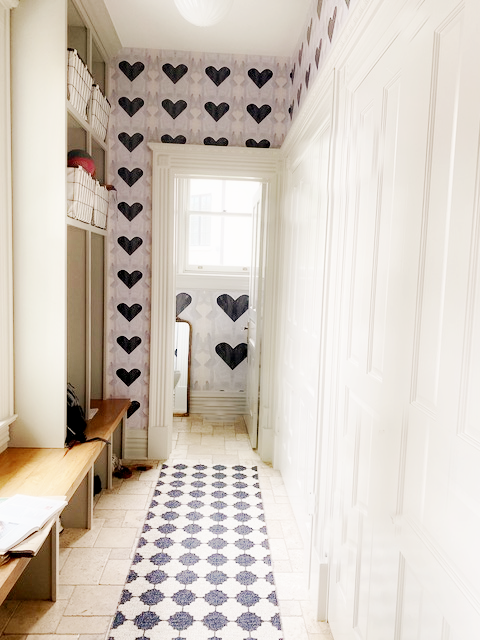
In short: Designers naming 2026's biggest wallpaper trends are pointing to block-print repeats as the safer choice for a small room, not the riskier one. Sarah Magness, principal of Studio Magness, favors them specifically for smaller bedrooms and bathrooms because they "can make a large impact on the design without overpowering a room." For a designer sizing a powder room, entry, or small bath, that's real, specific guidance on how to choose a wallpaper's scale — and it's the same read Angela Simeone's patterns invite, since each one starts as an actual painting before it's set into repeat.
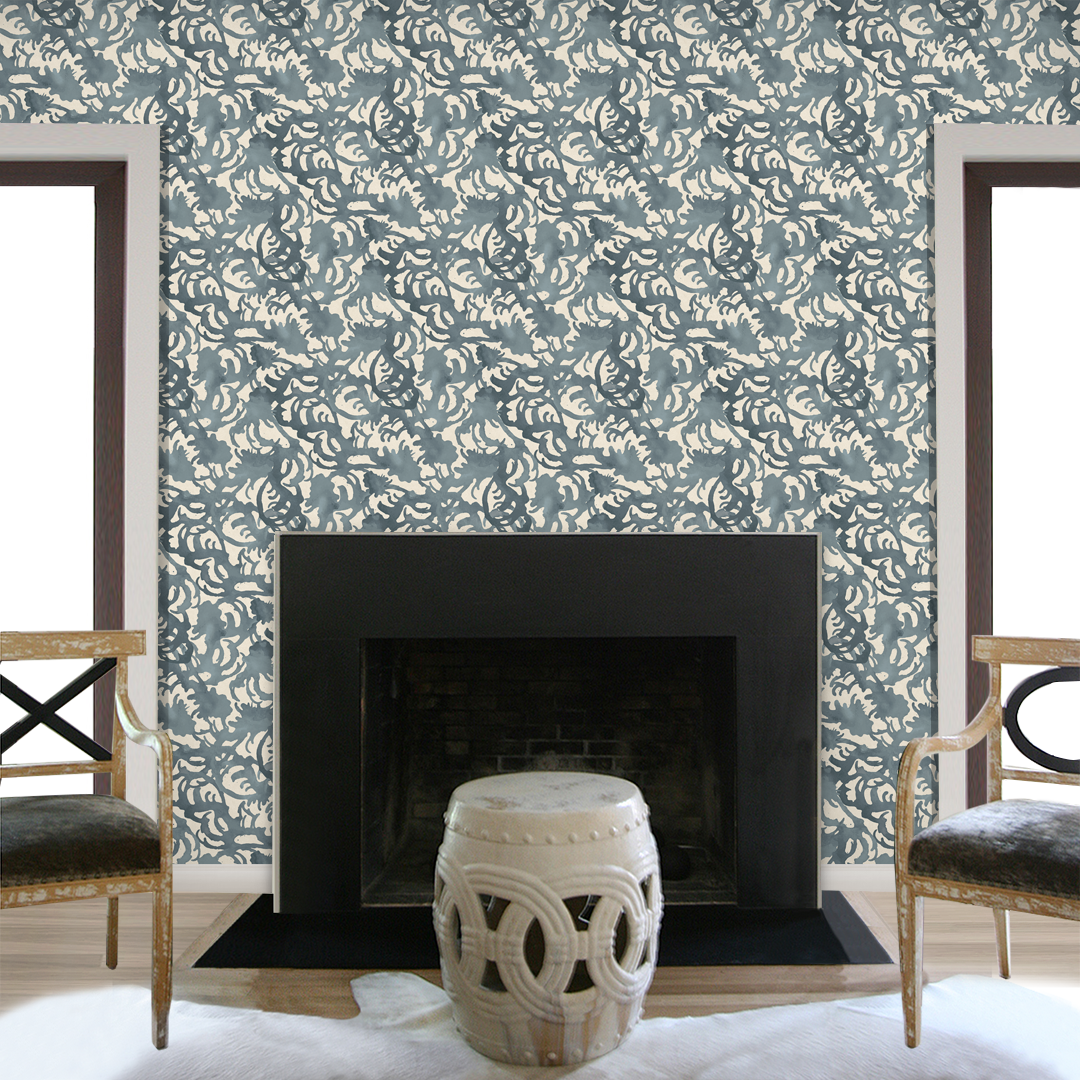
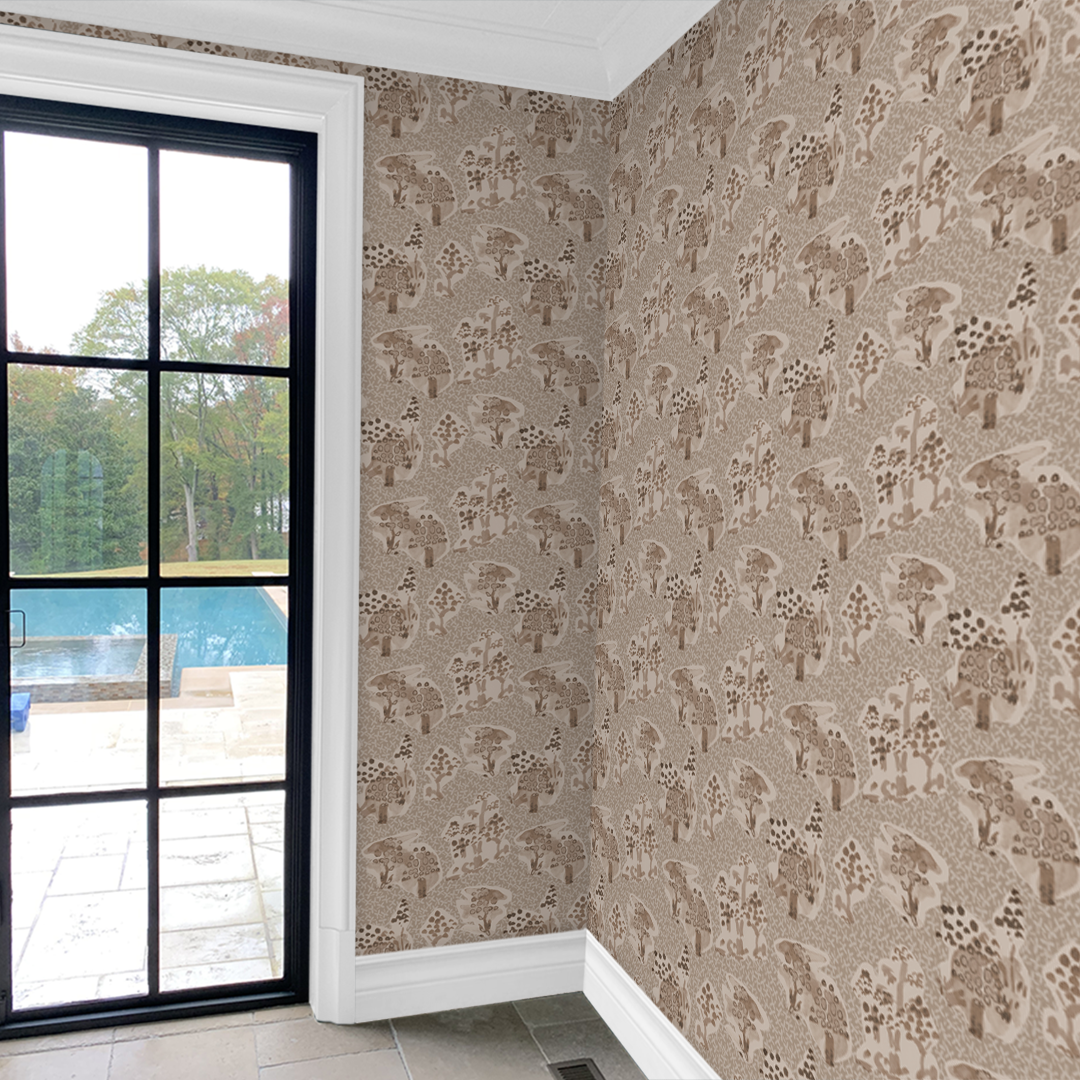
Angela Simeone is a Nashville-based contemporary abstract painter whose boutique luxury wallpaper line is created from her own paintings and composed — through her artistic and editorial eye — into layered, original, chic patterns, printed on a single luxurious 20 oz vinyl that looks like raw silk with a glimmering sheen, sold direct and to the trade.
Is a bold block-print pattern actually safer for a small room than an all-over print?
Yes, according to the designers Veranda surveyed for its 2026 wallpaper trend forecast. Sarah Magness, principal and founder of Studio Magness in New York, has been noticing more block-print repeats and expects them to keep gaining ground in 2026 — "The block prints are a more traditional use of wallcovering and less of a commitment on the budget," she explains. Her favorite place to use the pattern is smaller bedrooms and bathrooms specifically, "because they are smaller rooms usually and can make a large impact on the design without overpowering a room."
Where does a block-print pattern work best in a home?
Powder rooms, small baths, entryways, and smaller bedrooms — the rooms where a designer wants a graphic, confident moment without committing a large wall or a large budget to it. Magness also points to a second use: rooms with complex architectural features. "Using a block print wallpaper can deter the eye but add personality to design," she notes — the pattern gives a busy room a single, considered thing to look at instead of several competing details.
How should a designer choose the right pattern scale for a small room?
Read the room's architecture before the pattern. Janine Carendi MacMurray of AREA Interior Design in New York frames the goal this way: "The drama feels intentional and lasting, not trendy... It is that mix of risk and refinement that design has been missing for a while." Cathy Cherry, founding principal of Purple Cherry Architecture & Interiors in Annapolis, adds a practical rule for containing a bold scale choice: "Start within a contained room that has trim to stop the wallpaper" — the study, the powder room, or a single wall, rather than an open plan where a large repeat can overwhelm the eye.

What does customization add to that scale decision?
A pattern chosen for one room doesn't have to stay fixed for every room. Claire Staszak of Centered by Design in Chicago calls this the next real shift: "Wallpaper 'customization' is a more accessible trend." Designer Sarah Storms makes the case for a pattern with real personality within that customized approach: "Conversational papers and patterns are never going out of style. These prints are full of interesting little moments within the motif and 'spark conversation.' They add a life to a room that a standard repeat often can't."
How is a painter-designed wallpaper pattern different from a standard block print?
A standard block print is designed as a repeat from the outset — a graphic decision made on a drawing board. My own patterns start differently: an actual painting, worked in oil, charcoal underdrawing, and palette knife, the same physical process behind my canvas work. A pattern designer then sets that original artwork into repeat at a chosen scale — which means the scale decision Magness describes for a small room starts from a real painting's marks, not a template. Chic Stripe Winter Grey Sage and Freesia Sand, both currently active in the collection, work at the smaller, powder-room-friendly scale this trend describes.

Frequently asked questions
Is a bold block-print wallpaper actually safer for a small room than an all-over print?
Yes, per 2026 designer trend forecasts — a block-print repeat reads as a contained, traditional use of wallcovering that adds impact without overpowering a small room.
Where does a block-print pattern work best in a home?
Smaller bedrooms, bathrooms, powder rooms, and entryways — rooms that want a graphic, considered moment without a large budget or wall.
How should a designer choose the right pattern scale for a small room?
Read the room's architecture first, then choose a scale that adds personality or contains a complex feature — start within a room with trim to stop the paper.
How is a painter-designed wallpaper different from a standard block print?
It starts as an actual painting rather than a repeat drawn from scratch — a pattern designer then sets that original artwork into repeat at a chosen scale.
Sample the scale before committing a room to it: the full wallpaper collection is available by the yard, with samples available first, and a 20% trade discount plus custom colorways through the Trade Program.
New patterns and colorways post first at angelasimeone.com.
Sources: Kelsey Mulvey, "10 Wallpaper Trends That Will Be Everywhere in 2026, According to Designers," Veranda, June 25, 2026.