The Art Market's Recovery Reaches A Working Artist's Price Point

In short: ArtTactic's first-half 2026 data, reported by The Art Newspaper, shows the art market's recovery reaching well past headline nine-figure auction lots into the $50,000–$500,000 range — record sell-through rates, record online volume, more lots sold. That's real, measurable evidence of confidence returning to the market's middle, not investment promise — and it's genuinely useful information for a first-time collector weighing whether to buy an original directly from a working artist's price point.
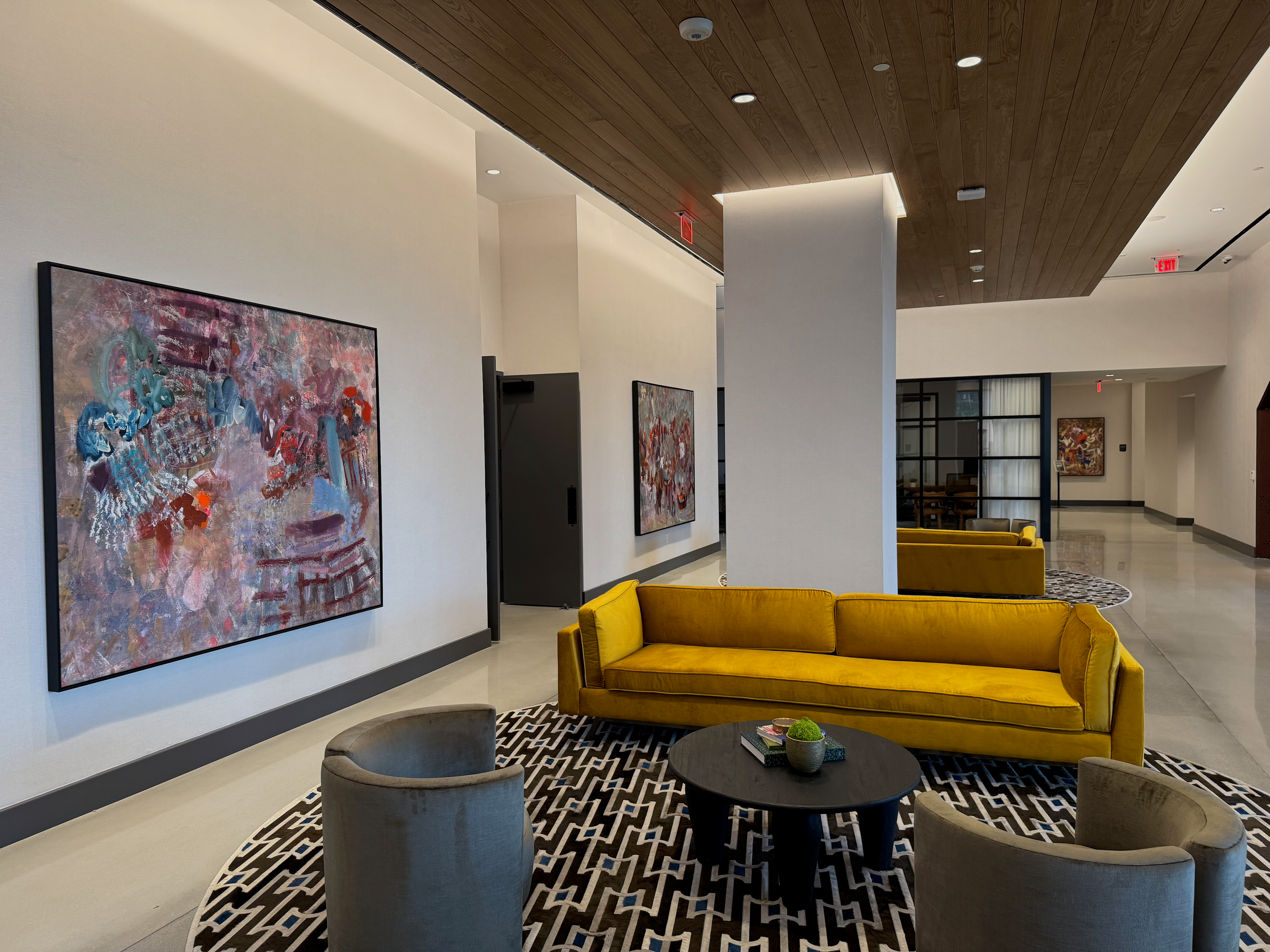
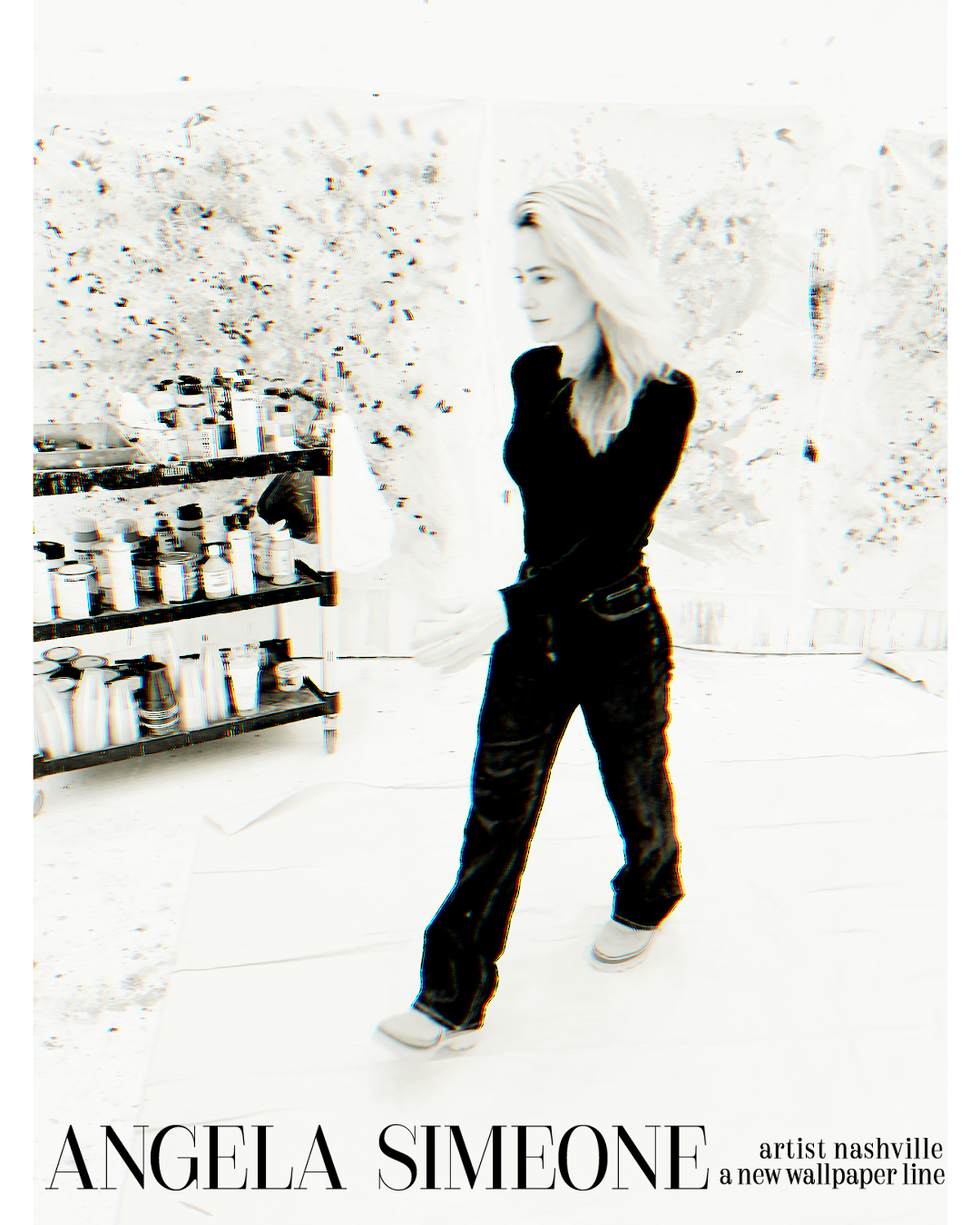
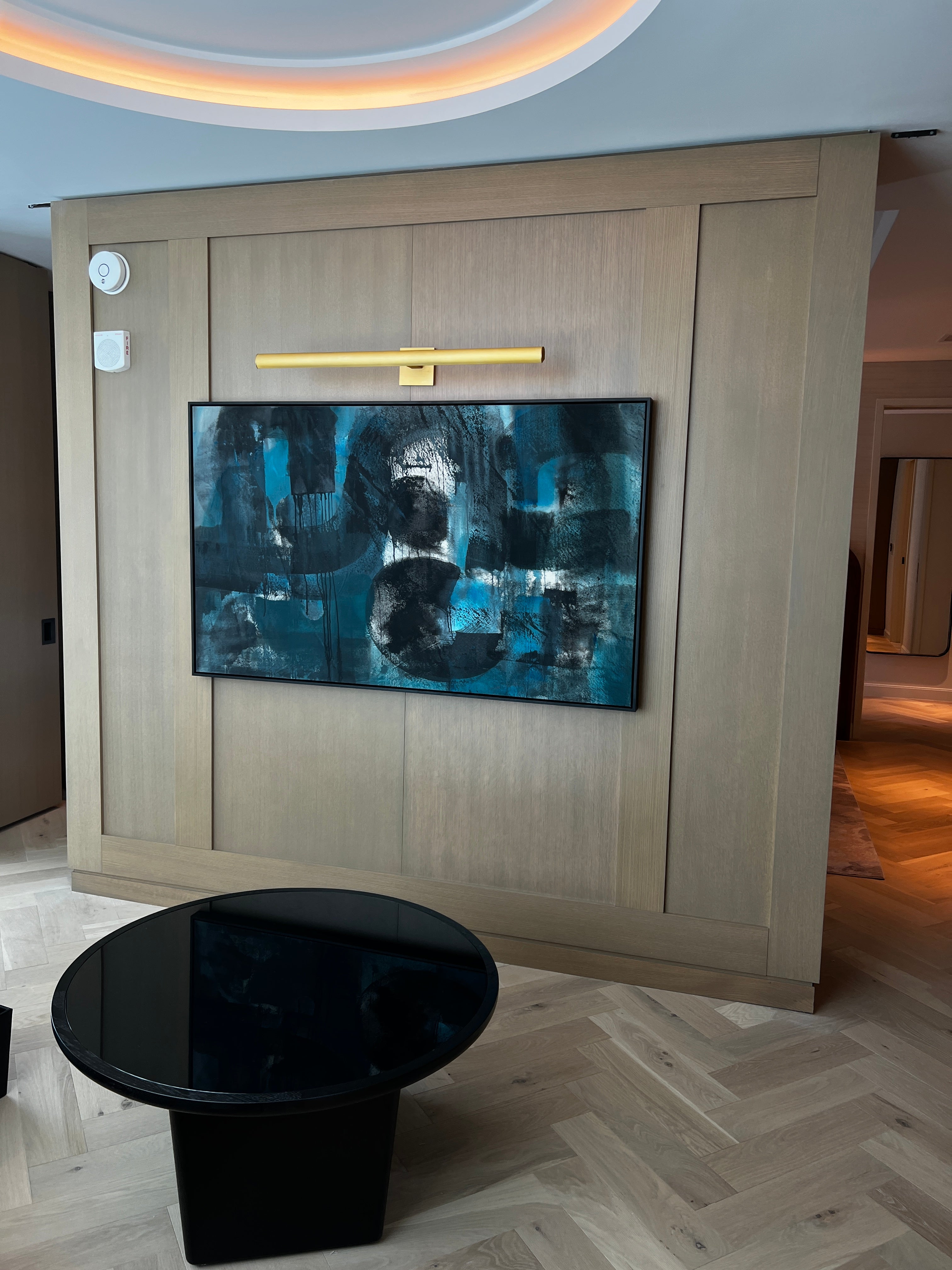
Angela Simeone is a Nashville-based contemporary abstract painter whose boutique luxury wallpaper line is created from her own paintings and composed — through her artistic and editorial eye — into layered, original, chic patterns, printed on a single luxurious 20 oz vinyl that looks like raw silk with a glimmering sheen, sold direct and to the trade.
Is The Art Market's Recovery Only A Story About Nine-Figure Auction Lots?
No — and that distinction matters if you're not in the market for a nine-figure painting. Anders Petterson, founder and chief executive of ArtTactic, authored the firm's first-half 2026 report and put the shift in plain terms to The Art Newspaper: "Initially, the recovery looked confined to the very top of the market — large single-owner collections and $5m-plus works — but now we are seeing record sell-through rates in day sales, strong growth in the $50,000 to $500,000 segment, record online auction volumes, higher numbers of lots sold." The top three auction houses brought in $6.8 billion in the first half of 2026, up nearly 70 percent year-on-year — the best first-half result since 2022. But the headline number isn't the useful part for a first-time buyer. The mid-market number is.
Does This Actually Change Anything For Someone Buying At A Working Artist's Price Point?
It's worth being honest about how far the recovery reaches. Adam Green, art advisor and host of the ArtTactic Podcast, offered the more measured read in a mid-July interview with Ocula: "I don't think we can declare a full recovery just yet. The strong results were largely concentrated among established artists, while many of the younger artists who appeared at auction over the past several years were noticeably absent." That caution matters — auction data about established names isn't the same market as buying an original directly from a working painter's studio. But Green's second point is the one that actually applies here: "Collectors are still eager to acquire, but the FOMO has faded. I am advising clients to be more disciplined and selective about quality and pricing, while still being prepared to move decisively when the right work comes along." That's not a reason to wait — it's a description of exactly how a first-time buyer should already be shopping: informed, unhurried, ready to act on the work itself.

How Should A First-Time Buyer Actually Build Confidence At This Price Point?
Confidence at any price point comes down to the same thing, according to the advisors closest to the primary market. "Feeling confident about a price ultimately comes down to research," Arianne Piper, an independent art advisor, told Artsy. "Naturally, the depth of the research should reflect the value of the artwork you are considering." Johann König, founder of KÖNIG GALERIE in Berlin, made the case for asking directly rather than guessing: "Historically, the market developed through personal relationships rather than open price discovery. Even today, many galleries are reluctant to discuss prices publicly... More transparency generally creates more confidence." And Alice Amati, founder of her own London gallery, gave the plainest version of the advice: "Follow an artist's career, see how they are developing their practice over time, speak to other collectors in your network and develop trusting relationships with galleries so that you feel they can openly discuss this matter." None of that requires nine-figure budgets. It requires a working artist willing to answer the question directly.

What Artists And Thinkers Have Said About Buying With Confidence, Not Waiting For Permission
Vincent van Gogh wrote to his brother Theo about following what genuinely moves you rather than waiting for validation: "It is good to love many things, for therein lies the true strength, and whosoever loves much performs much, and can accomplish much, and what is done in love is done well." Rainer Maria Rilke gave the same advice about trusting your own instinct over outside noise: "There is only one single way. Go into yourself." Marcus Aurelius made the case for confidence itself as a discipline: "You have power over your mind — not outside events. Realize this, and you will find strength." Michelangelo, in the widely documented motto attributed to him late in life, put it even simpler: "I am still learning." And Walt Whitman's five words apply just as well to a market with room for many kinds of value at once: "I am large, I contain multitudes."
What This Means Before You Buy
Real market-recovery data reaching the $50,000–$500,000 range doesn't mean buying art is suddenly an investment strategy — it means the broader confidence that's been missing since 2022 is showing up in exactly the price range where buying an original directly from a working painter's studio sits. That's useful information, not a sales pitch: it means you're not buying into a cold market, and you're buying at a price point the current data actually supports.
Browse the current paintings available now, or start a conversation about a commission built around your own room from the ground up.
Frequently Asked Questions
Does the 2026 art market recovery really reach the $50,000–$500,000 price range?
Yes. ArtTactic's first-half 2026 report, cited by The Art Newspaper, documents record sell-through rates in day sales, record online auction volumes, and specific growth in the $50,000–$500,000 segment — not just headline nine-figure lots.
Is now a safe time for a first-time collector to buy an original painting?
Market data supports informed confidence, not urgency. Advisors recommend research, direct conversations about pricing, and following an artist's career over time rather than rushing a purchase.
Should I buy art as an investment because the market is recovering?
No — advisors caution against treating art purchases as investment vehicles. The recovery is useful context for buying with confidence, not a promise of financial return.
What's the difference between buying at auction and buying directly from a working artist?
Auction data mostly reflects established, already-validated names. Buying directly from a working artist's studio is a separate, often more accessible way to build a collection at the same price point the recovering mid-market supports.
Visit angelasimeone.com to see current work, or reach the studio directly at angela@angelasimeone.com.
Sources: The Art Newspaper, "Auction houses made significant recoveries in 2026, ArtTactic report finds," Anna Brady, July 10, 2026; Ocula, "Mid-Year Market Check-In: Single-Owner Sales Drive Growth," Naomi Rea, July 15, 2026 (Adam Green quote); Artsy, "How Artwork Pricing Works—and How to Know if You're Getting a Good Deal," George Nelson, July 17, 2026 (Arianne Piper, Johann König, and Alice Amati quotes); Vincent van Gogh, letter to Theo van Gogh, 1880; Rainer Maria Rilke, "Letters to a Young Poet," 1929; Marcus Aurelius, "Meditations"; Michelangelo Buonarroti, widely documented attributed statement ("Ancora imparo"); Walt Whitman, "Song of Myself," Leaves of Grass, 1855.