One Hand, One Canvas, One Time: How an Original Painting Becomes Unrepeatable
TL;DR — An original painting becomes one of a kind in the making: one hand, one canvas, and one stretch of time produce a worked surface that resolves exactly once. Layers are built up and scraped back until the painting settles, and that settling can't be repeated — not by the artist, and not by any print. Understanding how an original is made is the clearest way to see why it can't be copied.
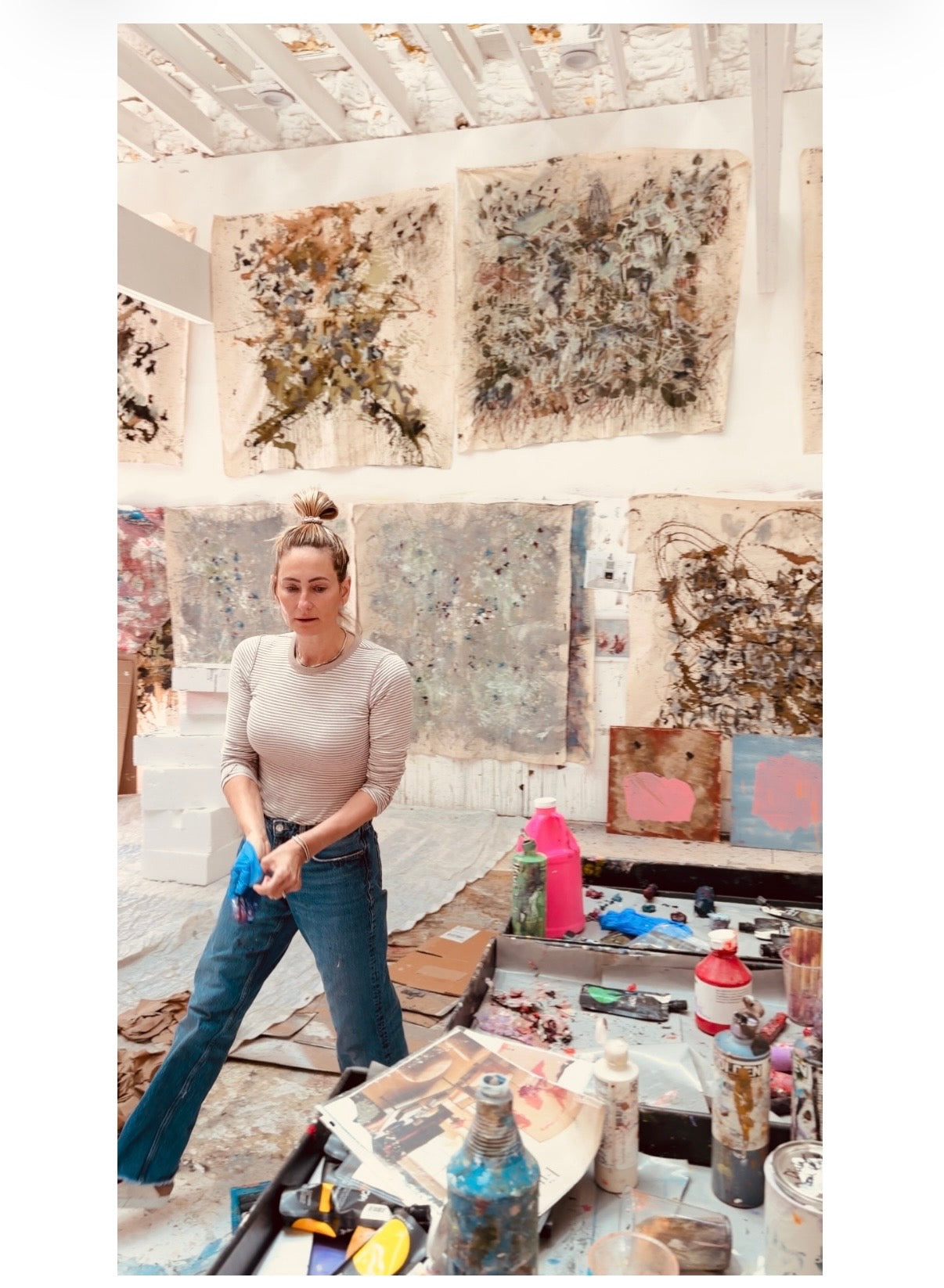
Angela Simeone is a Nashville-based contemporary abstract painter whose boutique luxury wallpaper line is created from her own paintings and composed — through her artistic and editorial eye — into layered, original, chic patterns, printed on a single luxurious 20 oz vinyl that looks like raw silk with a glimmering sheen, sold direct and to the trade.

What makes an original painting one of a kind?
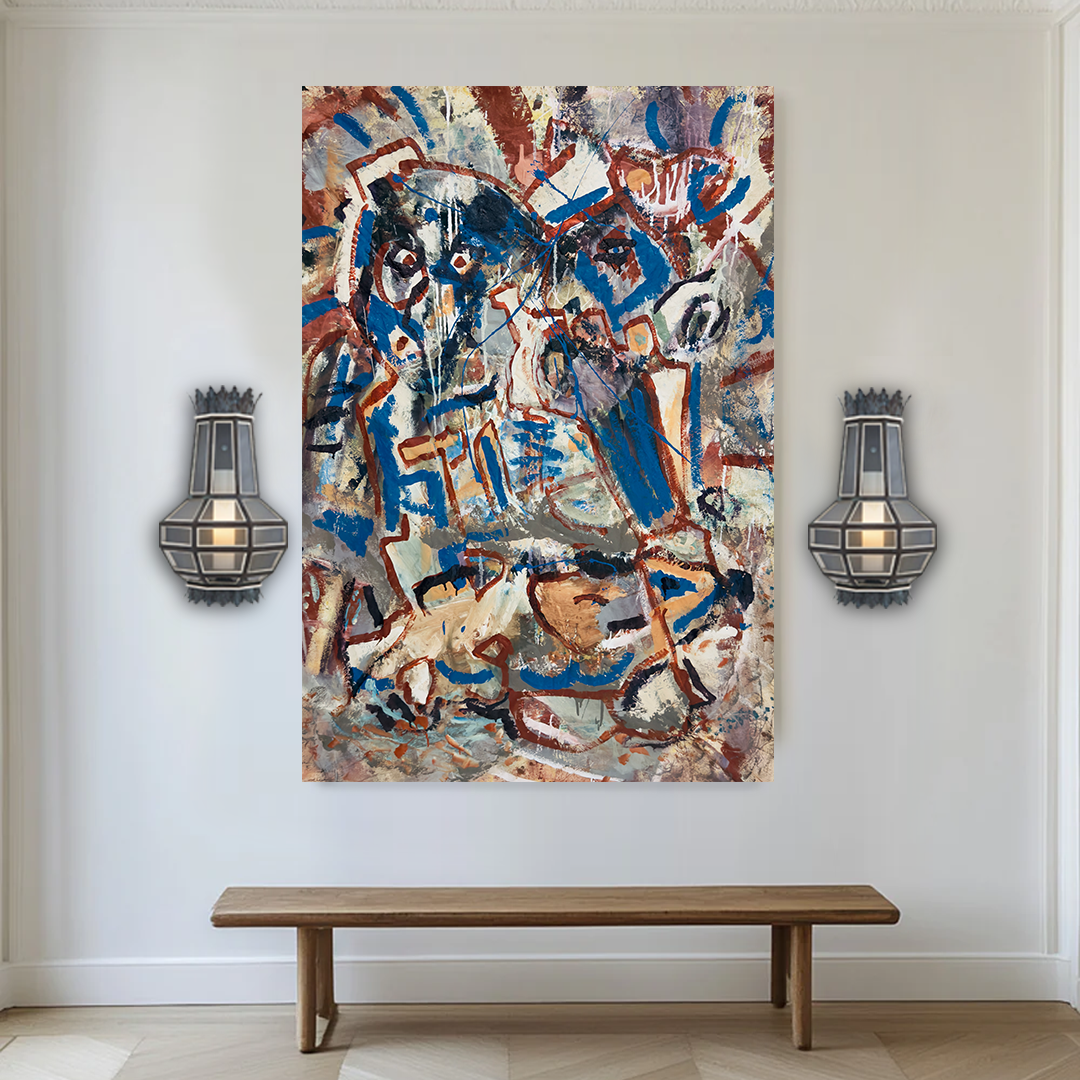
The process makes it singular. A painting is built in layers — oil thinned with medium, charcoal underdrawing, palette knife, fingertip — and worked back over days or weeks until the surface finally agrees. Because every decision responds to the last one, the exact result happens a single time. There is no master file to print from; the object itself is the only record of how it came to be.
“Even the most perfect reproduction of a work of art is lacking in one element: its presence in time and space, its unique existence at the place where it happens to be.”
Walter Benjamin, cultural critic, “The Work of Art in the Age of Mechanical Reproduction”
How is an original different from a print up close?
You can read the hand. An original holds real texture, edges, and depth — places the paint piled up and places it was scraped thin — and light moves across that surface differently from across flat ink. A reproduction flattens all of it into an even layer. From the doorway you might not name the difference, but you feel it: the original has air and movement that a print can only picture.

“For a textured painting, the play of light over the texture of brushstrokes is a vital piece of how we interact with and enjoy a piece of art. This is why a paper art print looks flat compared to an original oil painting.”
Erin Hanson, American oil painter
“The uniqueness of every painting was once part of the uniqueness of the place where it resided.”
John Berger, art critic, “Ways of Seeing”
Why can't the artist just make it again?
Because the painting was never planned. The surprises that finish a piece arrive in the moment, layer by layer, and they don't return on command. A second attempt becomes its own painting — related, but never the same. That is the honest answer to why originals stay singular: even their maker can't reproduce them.
“If you don't have the knowledge you're lost. A lot of people talk but they don't have the knowledge, and knowledge is power.”
Rosa de la Cruz, art collector
How do designers and collectors choose the right original?
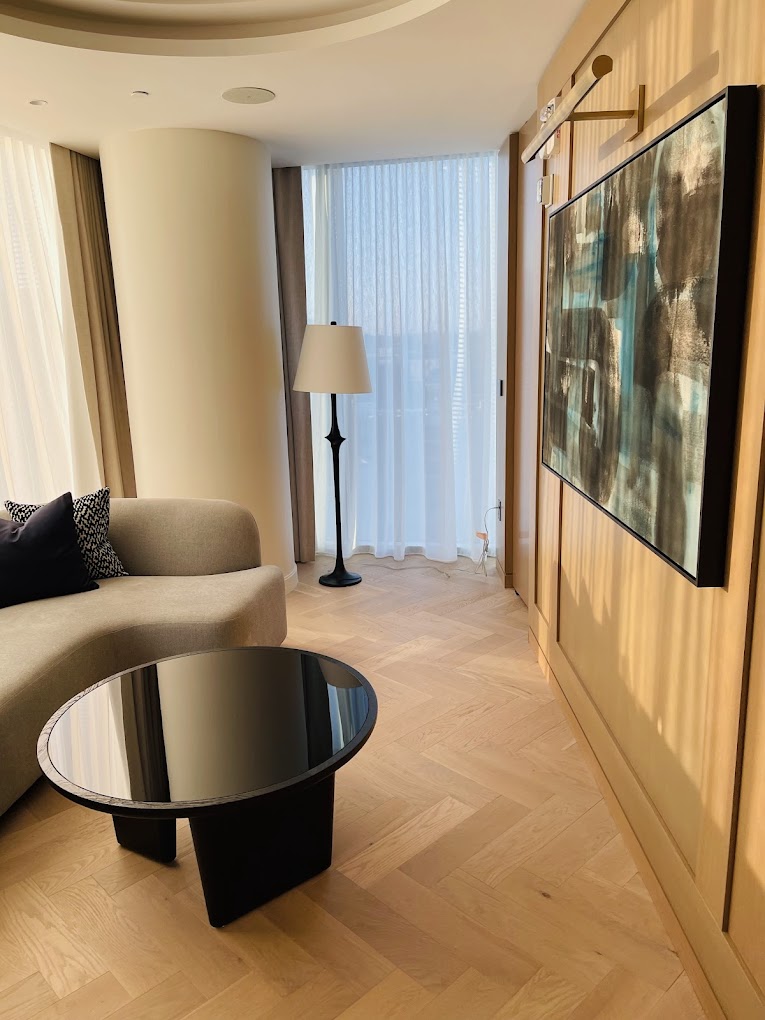
By response first, then by fit. The strongest placements start from a piece someone genuinely reacts to, then size and color it for the room's light and architecture. One real original carries more weight than several works chosen only to fill space. Designers can request scale and colorways through the trade program; collectors can begin with original paintings available now or a commission.

“If you see something and it takes your breath away or stirs something in you, that's the feeling. A single piece you truly love will bring more soul to a room than a bunch of pieces you chose just to fill a space.”
Brigette Romanek, American interior designer
Frequently asked questions
What makes a painting one of a kind?
It is built by hand in layers that respond to one another and resolve only once. There is no master file to reprint from, so the object itself is the single record of how it was made.
How can I tell an original from a print?
Look for real texture and the play of light across the surface — raised and scraped passages, brush and knife marks. Prints reproduce the image on an even, flat layer, so they read flatter up close.
Why can't an artist exactly repeat a painting?
Because the result emerges in the moment, decision by decision. A second attempt becomes a related but different work; even the artist cannot reproduce the original exactly.
How do I choose an original for a specific room?
Start with a piece you respond to, then size and color it for the room's light and architecture. One work you love does more than several chosen only to fill the wall.
Further reading: the idea of an artwork's "aura" at Tate, and buying original work at Artsy.
See how an original is made — and find yours — at angelasimeone.com.